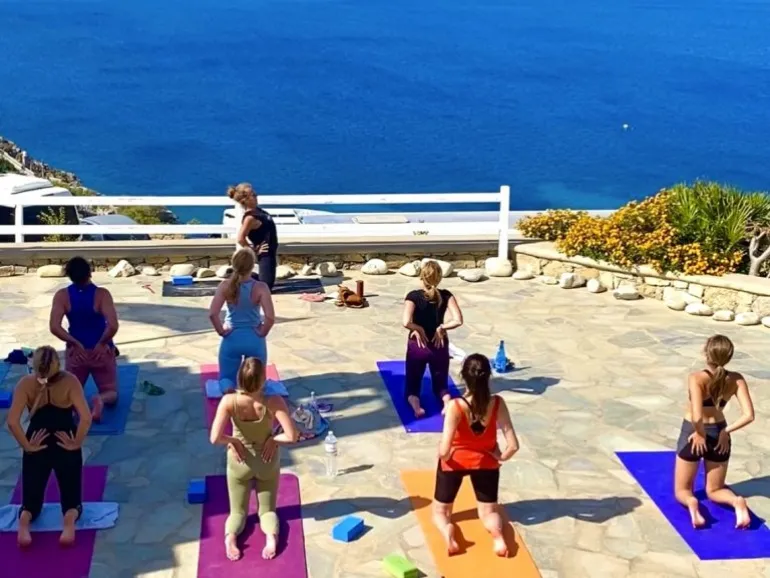
Shambhala Mountain Center – Yoga Retreats in the USA, living gratitude, sharing experience, mindfulness in work, what is mindfulness meditation, sharing experiences
Share

Sharing Experiences: How Connection and Stories Create Growth

Table of Contents

Sharing experiences is one of the most powerful ways humans connect, learn, and grow together. Every person carries unique stories, challenges, lessons, and moments that shape who they are. When we openly share these experiences with others, we create opportunities for understanding, compassion, and meaningful connection.

In today’s world, many people feel disconnected despite being constantly connected through technology. Genuine conversations and authentic storytelling provide something deeper: a sense of belonging and emotional support.

Through mindfulness practices, sharing personal experiences can become a pathway toward greater self-awareness. It allows individuals to reflect on their emotions, recognize patterns, and understand how their journeys can inspire others.

At Mindfulness Meditation Hub, we believe that mindful connection and honest reflection play an important role in personal development. Creating spaces where people feel safe to express themselves can support emotional healing, resilience, and a stronger sense of community.

Why Sharing Experiences Matters for Personal Growth

Every experience teaches us something.

Whether an experience brings joy, difficulty, success, or uncertainty, reflection helps us discover valuable lessons hidden within those moments.

When people share their stories, they often gain:

  • Greater self-awareness.
  • Emotional clarity.
  • New perspectives.
  • Stronger relationships.
  • Increased confidence.
  • A deeper sense of purpose.

Experiences are not only memories; they are opportunities for learning.

By expressing what we have lived through, we organize our thoughts, process emotions, and create meaning from our journey.
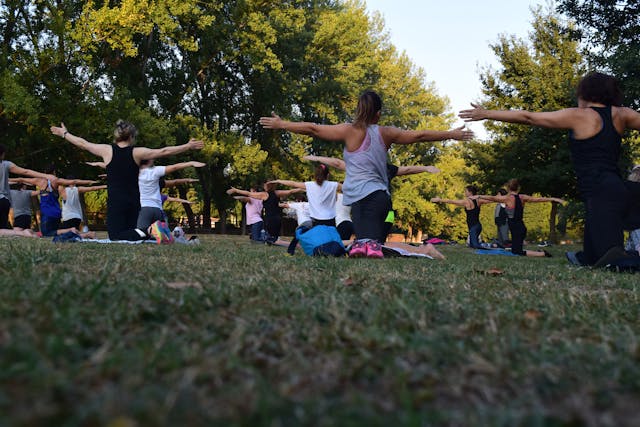
Mindfulness, mindfulness in work, scripts for meditation, mindfulness tip, teaching mindfulness, sharing experiences

The Connection Between Mindfulness and Sharing Stories

Mindfulness encourages awareness of thoughts, feelings, and experiences without judgment.

When combined with storytelling, mindfulness helps people communicate more honestly and intentionally.

Instead of simply describing what happened, mindful reflection allows individuals to explore:

  • How the experience affected them.
  • What emotions appeared.
  • What lessons they discovered.
  • How the experience influenced their growth.

This approach transforms ordinary conversations into meaningful exchanges.

Mindful storytelling is not about having the perfect story. It is about being present and authentic.

How Sharing Experiences Builds Stronger Relationships

Human connection grows through understanding.

When someone shares a personal experience, they allow others to see a part of their world. This creates trust and emotional closeness.

Creating Empathy

Listening to another person’s journey helps us understand perspectives different from our own.

A personal story can reveal:

  • Similar struggles.
  • Common hopes.
  • Shared emotions.
  • Different viewpoints.

This understanding strengthens compassion and reduces feelings of isolation.

Building Trust

Trust develops when people feel heard and respected.

When individuals share openly in supportive environments, they create stronger emotional bonds.

Healthy sharing involves:

  • Honesty.
  • Respect.
  • Active listening.
  • Emotional awareness.
  • Mutual support.

The Benefits of Sharing Experiences in a Mindfulness Community

A supportive mindfulness community creates space for individuals to connect beyond surface-level conversations.

When people gather to reflect and share, they often experience:

Emotional Support

Knowing that others understand your challenges can create comfort and encouragement.

Many people discover that their experiences are not unique—they are part of the shared human journey.

Personal Insight

Listening to others often helps us understand ourselves better.

Someone else’s story may reveal new ways of looking at our own experiences.

Motivation for Growth

Hearing about another person’s transformation can inspire positive changes in our own lives.

Stories remind us that growth is possible.
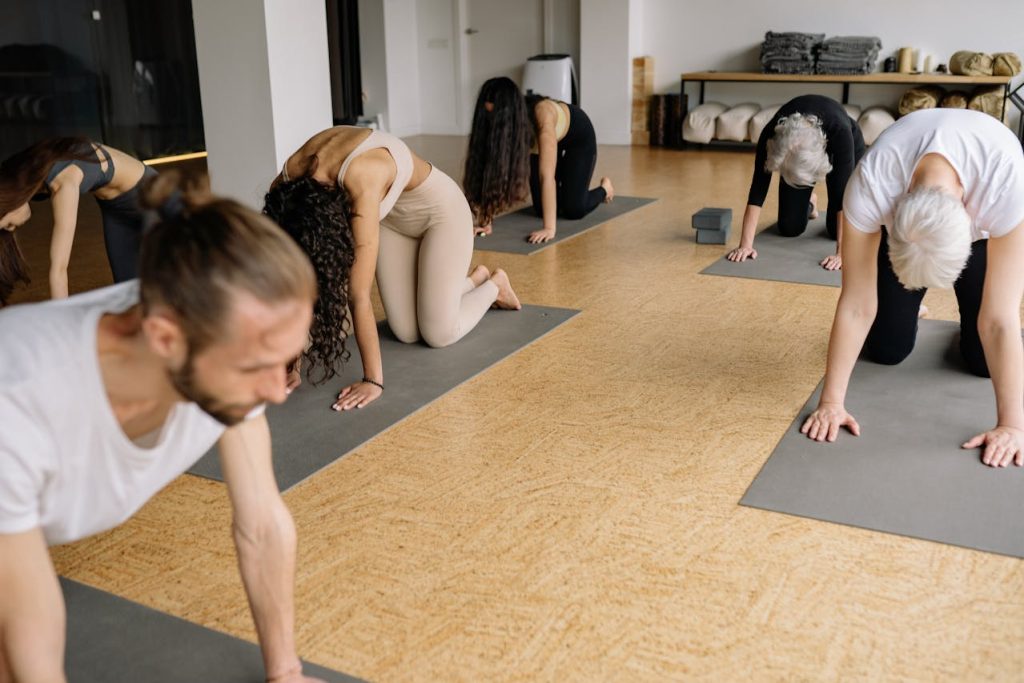
living gratitude, sharing experience, what does grateful means, meditation for severe anxiety, meditation for stress management

Different Ways to Practice Sharing Experiences

There are many ways to express and exchange personal experiences.

Group Discussions

Mindfulness groups, workshops, and community gatherings provide safe spaces where people can share thoughts and reflections.

These conversations encourage connection while allowing participants to learn from one another.

Journaling

Writing is a powerful form of self-expression.

A personal journal allows you to explore:

  • Daily emotions.
  • Important life events.
  • Personal goals.
  • Challenges and lessons.

Journaling can help organize thoughts before sharing them with others.

Meditation Reflection

After meditation, take time to reflect on what you noticed.

You may discover:

  • Emotional patterns.
  • New insights.
  • Personal realizations.
  • Areas for growth.

These reflections can become meaningful stories that support your personal journey.

Creating a Safe Space for Meaningful Sharing

Not every environment encourages openness.

For sharing experiences to be beneficial, people need to feel safe, respected, and accepted.

A supportive environment includes:

Active Listening

Listening is just as important as speaking.

Give others your full attention without interrupting or immediately offering advice.

Non-Judgment

Everyone’s journey is different.

Avoid comparing experiences or deciding whether someone’s feelings are right or wrong.

Compassion

Approach every story with kindness.

A compassionate response can help someone feel valued and understood.

How Sharing Experiences Supports Emotional Healing

Many people carry experiences they have never fully processed.

Expressing thoughts and feelings in a supportive environment can create emotional relief.

Sharing can help individuals:

  • Release difficult emotions.
  • Understand personal challenges.
  • Recognize inner strength.
  • Feel less alone.
  • Develop acceptance.

However, meaningful sharing is not about repeatedly focusing on difficulties. It is about acknowledging experiences while discovering growth, wisdom, and resilience.

The Role of Storytelling in Personal Transformation

Stories have the ability to change how we see ourselves and the world around us. A personal experience that once felt difficult can become a source of wisdom when viewed through reflection and awareness.

When people communicate their journeys, they often recognize their own growth more clearly. A challenge that once felt overwhelming may reveal valuable lessons about patience, courage, and resilience.

Sharing experiences allows individuals to transform personal moments into meaningful insights. A story is not only about what happened—it is also about the emotions, lessons, and changes that came afterward.

Through mindful storytelling, people can:

  • Understand their personal values.
  • Recognize patterns in their thoughts and behaviors.
  • Celebrate progress.
  • Inspire others who may be facing similar challenges.
  • Create stronger emotional connections.

Every person’s journey carries unique lessons, and expressing those lessons can create positive impact beyond the individual.
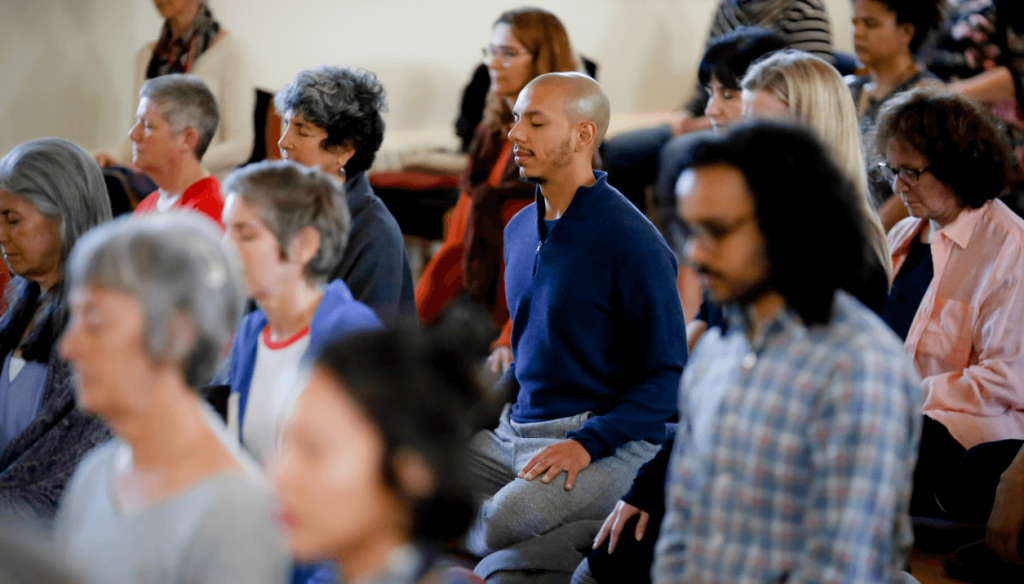
Insight Meditation Society (IMS), If you want a meditation practice that feels warm, human, and emotionally grounding, loving kindness meditation is one of the best places to begin. Instead of trying to empty your mind or force yourself into silence, this practice helps you gently train the heart. You use simple phrases, steady breathing, and focused intention to cultivate compassion for yourself and others. It is especially helpful if you struggle with self-criticism, stress, resentment, emotional fatigue, or the feeling that your mind is always bracing for the next problem. What Loving Kindness Meditation Actually Means Loving kindness meditation comes from the Buddhist practice of metta, a word often translated as goodwill, friendliness, or benevolent love. In simple terms, it is the practice of silently offering kind wishes to yourself, people you care about, neutral people, difficult people, and eventually all beings. That may sound soft at first, but the practice is surprisingly strong. It asks you to meet your own mind with honesty and patience. It does not pretend that life is easy. It simply gives you a way to respond with more steadiness instead of more tension. A typical practice uses phrases such as: May I be safe. May I be healthy. May I be peaceful. May I live with ease. Over time, those phrases are extended outward: May you be safe. May you be healthy. May you be peaceful. May you live with ease. This is not about forcing affection or pretending every relationship is easy. It is about strengthening the mental habit of goodwill. When practiced consistently, metta meditation can help soften harsh self-talk, support emotional balance, and make compassion feel more natural in daily life. Why This Practice Feels Different From Other Meditation Techniques Many meditation techniques begin with the breath. Breath awareness is powerful, but some people find it difficult to stay with breathing alone. Their mind wanders, their body gets restless, or they feel like they are “not doing it right.” Compassion meditation gives the mind something meaningful to hold. The phrases act like an anchor, while the feeling of kindness gives the practice emotional depth. This makes it especially useful for people who want meditation for: Stress relief Anxiety support Emotional healing Self-compassion Better relationships Forgiveness work Inner peace Mindfulness practice Personal growth Unlike performance-based wellness habits, this practice is not about pushing harder. It is about softening wisely. That is why many beginners find it more approachable than silent sitting. The Real Benefits of a Kindness-Based Practice A strong loving kindness meditation routine can support both your inner world and your relationships. It teaches you how to pause before reacting, notice emotional patterns, and create a little more space between what happens and how you respond. It Helps Calm Self-Criticism Many people speak to themselves in a way they would never speak to a friend. They replay mistakes, judge their emotions, and hold themselves to impossible standards. This practice interrupts that pattern. By repeating kind phrases toward yourself, you begin building a more supportive inner voice. At first, the words may feel unfamiliar or even uncomfortable. That is normal. The point is not to believe every phrase perfectly on day one. The point is to practice turning toward yourself with less hostility. It Supports Emotional Regulation When emotions run high, the nervous system can shift into defensiveness. You may become reactive, closed off, or overwhelmed. A compassion-based meditation routine gives you a steady place to return. The phrases are simple, but they create rhythm. Rhythm creates safety. Safety creates space. And space gives you more choice. It Can Improve Relationships Compassion does not mean allowing poor behaviour or ignoring boundaries. In fact, real kindness often requires clarity. But when you practice goodwill, you may become less likely to assume the worst, hold grudges, or respond from automatic irritation. You learn to see others as human beings with their own fears, needs, and struggles. That perspective can soften unnecessary conflict without making you passive. It Encourages Present-Moment Awareness Although this practice focuses on kind phrases, it still builds mindfulness. You notice thoughts, emotions, resistance, warmth, numbness, distraction, and tenderness. Then you return to the phrases. That returning is the practice. How to Prepare for a Simple Session You do not need a special room, perfect silence, or advanced meditation experience. You only need a few quiet minutes and a willingness to begin. Choose a space where you can sit comfortably. This could be a chair, cushion, couch, or even the edge of your bed. Keep your posture upright but relaxed. Let your shoulders drop. Rest your hands naturally. Before starting, take a moment to set an intention. For example: I am practicing patience. I am learning to be kinder to myself. I am creating space in my day. I am opening to compassion. I am choosing peace over tension. Then take three slow breaths. Let your body settle before you begin the phrases. How to Practice Loving Kindness Meditation Step by Step Learning loving kindness meditation is easier when you follow a clear sequence. This structure works well for beginners and can be adapted as your practice grows. Step 1: Begin With Yourself Start by silently offering kind wishes to yourself. This can feel awkward, especially if you are used to being hard on yourself. Stay gentle. Repeat slowly: May I be safe. May I be healthy. May I be peaceful. May I live with ease. You do not have to create a strong emotion. Simply say the phrases with sincerity. If warmth appears, notice it. If resistance appears, notice that too. Step 2: Bring to Mind Someone Easy to Love Next, think of someone who naturally brings warmth to your heart. This might be a friend, mentor, child, partner, pet, grandparent, or anyone who feels emotionally safe. Offer the phrases to them: May you be safe. May you be healthy. May you be peaceful. May you live with ease. Let the words move at a natural pace. If an image of the person appears, hold it gently. If not, the intention is enough. Step 3: Offer Kindness to a Neutral Person Now bring to mind someone you do not know well. This could be a cashier, delivery driver, neighbour, receptionist, or person you passed on the street. This step is powerful because it expands compassion beyond personal preference. You are recognising that every person has an inner life, even if you know nothing about it. Repeat: May you be safe. May you be healthy. May you be peaceful. May you live with ease. Step 4: Include a Difficult Person Carefully This part should be handled with maturity and care. A difficult person does not need to be someone who caused serious harm. Choose someone mildly challenging at first, such as a person who annoyed you or created tension. You are not excusing their behaviour. You are practicing freedom from carrying constant resentment. You might say: May you be free from suffering. May you find peace. May you live with wisdom. May you be safe. If this feels too intense, return to yourself. The practice should stretch your capacity, not overwhelm it. Step 5: Expand the Practice Outward Finally, offer goodwill more broadly: May all beings be safe. May all beings be healthy. May all beings be peaceful. May all beings live with ease. This wider intention helps the practice feel connected to something larger than personal stress relief. It reminds you that everyone wants safety, peace, and belonging. What to Do When the Practice Feels Forced It is common for compassion meditation to feel unnatural at first. Some people feel nothing. Others feel sadness. Some notice irritation or disbelief. That does not mean the practice is failing. When resistance appears, try softening the phrases: May I learn to be kind to myself. May I be willing to feel peace. May I meet this moment with patience. May I take one gentle step forward. You can also place a hand on your chest or abdomen. Physical touch can help the body feel supported while the mind adjusts to kinder language. If sending kindness to yourself feels too difficult, begin with someone else. After a few minutes, return to yourself and see whether the words feel a little easier. A 10-Minute Beginner Practice You Can Use Today This short practice is simple enough for mornings, lunch breaks, or evenings. Minute 1: Settle Sit comfortably. Take three slow breaths. Notice the weight of your body and the contact with the chair or floor. Minutes 2–3: Self-Compassion Repeat: May I be safe. May I be calm. May I be healthy. May I live with ease. Minutes 4–5: Someone You Love Picture someone who feels easy to care for. Offer the same phrases to them. Minutes 6–7: A Neutral Person Bring to mind someone you barely know. Offer them goodwill without needing to feel anything dramatic. Minutes 8–9: A Difficult Person or Difficult Emotion Choose a mildly difficult person or simply focus on a difficult emotion inside you. Offer patience and peace. Minute 10: Everyone Close by extending kindness outward: May all beings be safe. May all beings know peace. May all beings live with ease. When you finish, open your eyes slowly. Notice how your body feels before moving on. How Often Should You Practice? For best results, start with five to ten minutes a day. Consistency matters more than duration. A short daily practice is usually more effective than one long session once a week. You might practice: First thing in the morning Before checking your phone After work to reset your mood Before a difficult conversation During a stressful season Before sleep After journaling or prayer Over time, you may notice that the phrases appear naturally during the day. For example, when someone cuts you off in traffic, you may pause and think, “May I stay calm.” That small pause is progress. Common Mistakes Beginners Make Even simple practices can become frustrating if you bring too much pressure to them. Here are a few mistakes to avoid. Trying to Feel Loving Immediately Kindness is not always a strong emotion. Sometimes it starts as a quiet intention. Let that be enough. Choosing a Difficult Person Too Soon Do not begin with the hardest relationship in your life. Build capacity first. Start with yourself, a loved one, and neutral people before moving toward challenging relationships. Rushing the Phrases The words should be slow enough to feel intentional. If you rush, the practice can become mechanical. Expecting Instant Transformation Meditation works through repetition. One session may feel nice, but the deeper benefit comes from returning again and again. Ignoring Boundaries Compassion does not mean staying in unhealthy situations. You can wish someone peace and still protect your time, energy, and wellbeing. How Our Guided Service Can Help Many people start with a meditation app or online video, then realise they need more personal support. That is where our guided meditation service can help. We offer a calm, structured approach for people who want to build emotional resilience, self-compassion, and a realistic mindfulness routine. Instead of guessing what to do, you receive clear guidance that helps you understand posture, breathing, phrase selection, emotional resistance, and daily practice. Our support is especially helpful if you: Feel unsure how to begin Struggle with self-criticism Want a more compassionate inner voice Need accountability Prefer guided practice Feel emotionally drained Want meditation for stress relief Need a routine that fits real life A good teacher does not make the practice complicated. A good teacher helps you trust the simple things enough to repeat them. Turning the Practice Into Daily Life The real value of meditation shows up after the session ends. The goal is not to become calm only while sitting still. The goal is to bring more steadiness into your conversations, decisions, and reactions. Try using short phrases during ordinary moments: Before opening email: May I respond with clarity. Before a hard conversation: May we speak with patience. During stress: May I feel steady. After a mistake: May I learn and move forward. When seeing someone struggle: May you be supported. These small moments train the mind to choose compassion in real time. Who This Practice Is Best For This style of meditation is especially valuable for people who carry emotional tension in relationships or struggle with harsh self-talk. It can also support people who already practice mindfulness but want something more heart-centred. You may benefit if you want to: Feel less reactive Build self-compassion Reduce emotional tension Practice forgiveness safely Improve your relationships Strengthen patience Support stress management Create a kinder daily mindset It is also a beautiful companion to breathwork, body scan meditation, journaling, yoga, prayer, therapy, or personal development work. Begin With One Kind Phrase The simplest way to start is to choose one phrase and repeat it for one minute. Try: May I be peaceful. That is enough for today. Tomorrow, you can add another phrase. Next week, you can extend kindness to someone else. Over time, this small practice can become a reliable place of calm, strength, and emotional clarity. If you are ready to experience loving kindness meditation with supportive guidance, our service is here to help you begin with confidence. Book a guided session today and learn how to build a more compassionate meditation practice that fits naturally into your everyday life.

How to Share Experiences More Mindfully

While sharing can be powerful, the way we communicate matters.

Mindful sharing involves intention, awareness, and respect for both yourself and your audience.

Reflect Before Sharing

Before telling your story, take a moment to consider:

  • Why do I want to share this?
  • What message or lesson do I hope to communicate?
  • Am I emotionally ready to discuss this experience?

Reflection helps ensure that sharing comes from a place of clarity rather than a temporary emotional reaction.

Focus on Authenticity

Authentic stories do not need to be perfect.

People connect with honesty, vulnerability, and real emotions.

You do not need to present yourself as someone who has everything figured out. Sometimes the most meaningful stories are about learning, growth, and overcoming uncertainty.

Respect Personal Boundaries

Not every experience needs to be shared publicly.

Healthy communication includes understanding your own boundaries and respecting the privacy of others involved.

Mindful sharing means choosing what feels appropriate while protecting emotional well-being.

Sharing Experiences as a Tool for Learning

One of the greatest benefits of personal stories is the knowledge they provide.

Traditional learning often comes from books, courses, or instructions. However, experiences offer another type of wisdom—real-life understanding.

When people share lessons from their journeys, others can gain:

  • Practical insights.
  • Emotional encouragement.
  • Different perspectives.
  • New approaches to challenges.

A single conversation can sometimes provide a powerful realization that changes how someone approaches life.

The Importance of Listening During Shared Experiences

Communication is not only about expressing yourself.

True connection requires meaningful listening.

When someone shares their experience, practice mindful listening by:

Listening without judgment creates a deeper connection and helps people feel genuinely supported.

Sharing Experiences in Mindfulness Practice

Mindfulness communities often use reflection and group conversations as tools for growth.

During mindfulness sessions, participants may discuss:

  • Personal discoveries.
  • Emotional experiences.
  • Challenges with practice.
  • Moments of awareness.
  • Changes they notice in daily life.

These conversations remind people that personal growth does not happen in isolation.

A supportive community provides encouragement, accountability, and connection.
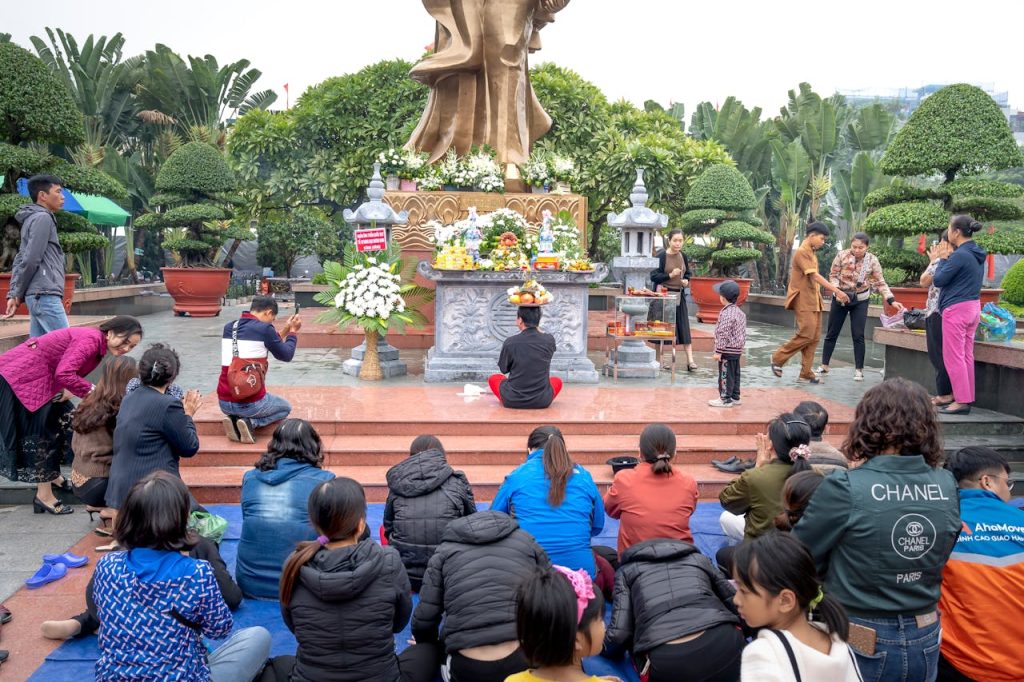
wellness retreats, mindfulness in work

How Mindfulness Meditation Hub Encourages Meaningful Connection

At Mindfulness Meditation Hub, we believe that personal growth becomes more powerful when people feel connected and supported.

Our mindfulness resources are designed to help individuals develop greater awareness, emotional balance, and confidence in expressing their personal journeys.

Through guided meditation practices, educational content, and mindfulness-based exercises, we help create opportunities for deeper reflection and connection.

Our approach focuses on:

  • Building self-awareness.
  • Encouraging compassionate communication.
  • Supporting emotional wellness.
  • Creating mindful communities.
  • Helping individuals develop sustainable practices.

Whether you are beginning your mindfulness journey or looking for ways to deepen your personal growth, our resources provide guidance and support.

Overcoming Fear Around Sharing Personal Stories

Many people hesitate to share because they fear judgment, misunderstanding, or rejection.

These concerns are natural.

However, sharing in the right environment can create meaningful connections and reduce feelings of isolation.

Start small by:

  • Sharing with a trusted friend.
  • Joining a supportive mindfulness group.
  • Writing private reflections first.
  • Practicing honest communication gradually.

Confidence develops through experience.

The goal is not to share everything with everyone—it is to develop the ability to express yourself authentically when it feels right.

Meditation Site, how meditate properly, loving compassion meditation, body's wisdom, loving kindness meditation script, meditation for mental health

The Lasting Impact of Meaningful Sharing

Human beings are naturally connected through stories.

The experiences we share can comfort someone during a difficult moment, inspire personal growth, or create a deeper understanding between people.

Sharing experiences reminds us that we are not alone in our struggles, emotions, or dreams. Every person’s journey contains valuable lessons that can contribute to collective growth and compassion.

At Mindfulness Meditation Hub, we encourage individuals to explore mindfulness, reflection, and authentic connection as pathways toward greater emotional well-being.

Related Topics

Retreats

Meditation Topics You Should Know

Top 5 Meditation Sites You Need to Know for Inner Peace and Focus

🧘‍♂️ 1. Headspace

Website: www.headspace.com

    • One of the most popular platforms for guided meditation and mindfulness.

    • Offers structured programs for stress, sleep, focus, and anxiety.

    • Includes a user-friendly app with animations and expert tips.

🧘‍♀️ 2. Calm

Website: www.calm.com

    • Known for its soothing interface and soundscapes.

    • It offers sleep stories, breathing exercises, and meditation tracks.

    • Ideal for both beginners and advanced users.

🧘 3. Insight Timer

Website: www.insighttimer.com

    • It offers the world's most extensive free library of guided meditations.

    • It features thousands of teachers, live sessions, and music for mindfulness.

    • Great for variety and exploring different meditation styles.

🧘‍♂️ 4. The Chopra Center

Website: www.chopra.com

    • Founded by Deepak Chopra, this site blends meditation with Ayurvedic wellness.

    • Offers guided sessions, spiritual growth content, and wellness courses.

    • Well-respected in both scientific and spiritual wellness circles.

🧘‍♀️ 5. UCLA Mindful Awareness Research Center

Website: www.uclahealth.org/marc

    • A research-based meditation resource from UCLA.

    • Offers free guided meditations and mindfulness classes.

    • It is backed by neuroscience and is ideal for users looking for evidence-based mindfulness.