
What does grateful means is a question many people ask when they begin exploring personal growth, mindfulness, and emotional well-being. While the phrase itself is not grammatically standard, the intention behind the question is clear: people want to understand the true meaning of being grateful and how gratitude can positively influence their lives.
Being grateful is more than simply saying “thank you.” It is a mindset, a daily practice, and a powerful way of viewing the world. Gratitude allows individuals to focus on what they have rather than what they lack. It encourages appreciation, strengthens relationships, and promotes greater emotional resilience.
In today’s fast-paced society, many people become consumed by stress, responsibilities, and constant comparison. Gratitude offers a refreshing perspective that helps individuals reconnect with the present moment and cultivate a deeper sense of fulfillment.
At Mindfulness Meditation Hub, we believe gratitude is one of the foundational pillars of mindfulness and emotional wellness. Through guided practices and mindfulness resources, individuals can learn to integrate gratitude into daily life and experience meaningful transformation.
Understanding the True Meaning of Being Grateful
When exploring what does grateful means, it’s helpful to look beyond dictionary definitions.
Gratefulness involves recognizing and appreciating the positive aspects of life, whether they are large achievements or simple everyday moments.
A grateful person typically:
- Appreciates kindness from others
- Recognizes life’s blessings
- Values meaningful relationships
- Focuses on abundance rather than scarcity
- Maintains perspective during challenges
Gratitude is not about ignoring difficulties. Instead, it involves acknowledging both challenges and blessings while choosing to focus on what remains meaningful and valuable.
Gratitude Is a Mindset
Many people think gratitude is merely an emotion.
In reality, gratitude can become a way of thinking.
A gratitude-focused mindset encourages individuals to:
- Notice positive experiences
- Appreciate personal growth
- Celebrate progress
- Value supportive relationships
- Recognize opportunities for learning
Over time, these habits shape how people interpret and respond to life’s experiences.
Why Gratitude Matters More Than Ever
Modern life often encourages people to pursue more—more success, more possessions, more achievements.
While ambition has value, constant striving can create dissatisfaction if appreciation is overlooked.
Understanding what does grateful means helps individuals shift from a mindset of scarcity to one of abundance.
Research in positive psychology has linked gratitude to numerous benefits, including:
- Improved emotional well-being
- Reduced stress
- Increased optimism
- Better relationships
- Enhanced resilience
- Greater life satisfaction
These benefits make gratitude one of the most accessible and impactful wellness practices available.
The Science Behind Gratitude
Scientists and mental health professionals have studied gratitude extensively.
Research suggests that gratitude can positively influence both psychological and physical well-being.
Emotional Benefits
People who practice gratitude regularly often report:
- Higher happiness levels
- Greater emotional balance
- Improved self-esteem
- Reduced anxiety
- Stronger resilience during difficult times
Gratitude helps redirect attention away from negativity and toward meaningful experiences.
Physical Benefits
Some studies indicate that gratitude may also support:
- Better sleep quality
- Lower stress-related symptoms
- Improved energy levels
- Healthier lifestyle habits
While gratitude is not a cure-all, it contributes significantly to overall wellness.
Gratitude and Mindfulness: A Powerful Connection
Mindfulness and gratitude work exceptionally well together.
Mindfulness teaches individuals to become aware of the present moment without judgment. Gratitude encourages appreciation of that moment.
When people understand what does grateful means, they often discover that gratitude naturally enhances mindfulness practices.
For example:
- Appreciating a peaceful morning
- Noticing the beauty of nature
- Feeling thankful for supportive relationships
- Recognizing personal progress
These moments deepen present-moment awareness and encourage emotional well-being.
How Gratitude Strengthens Mindfulness
Gratitude encourages individuals to slow down and pay attention.
Instead of rushing through life on autopilot, grateful individuals become more aware of:
- Their surroundings
- Positive experiences
- Meaningful interactions
- Personal growth opportunities
This awareness creates a stronger foundation for mindful living.
Signs of a Truly Grateful Person
Many people wonder whether they are genuinely grateful or simply expressing occasional appreciation.
While gratitude looks different for everyone, certain qualities are commonly associated with grateful individuals.
They Appreciate Small Things
Grateful people often find joy in simple experiences such as:
- A kind gesture
- A beautiful sunset
- A supportive conversation
- A quiet moment of reflection
They recognize that happiness is often found in everyday moments.
They Focus on What They Have
Rather than constantly comparing themselves to others, grateful individuals appreciate their existing blessings and opportunities.
They Express Appreciation Openly
Grateful people often communicate appreciation to others through:
- Verbal acknowledgments
- Thank-you notes
- Acts of kindness
- Supportive words
These expressions strengthen relationships and create positive connections.
Practical Ways to Develop Gratitude
Understanding what does grateful means is important, but applying gratitude consistently creates the greatest impact.
Fortunately, gratitude can be developed through simple daily practices.
Keep a Gratitude Journal
One of the most effective exercises involves writing down things you appreciate each day.
Examples may include:
Even three entries per day can make a significant difference over time.
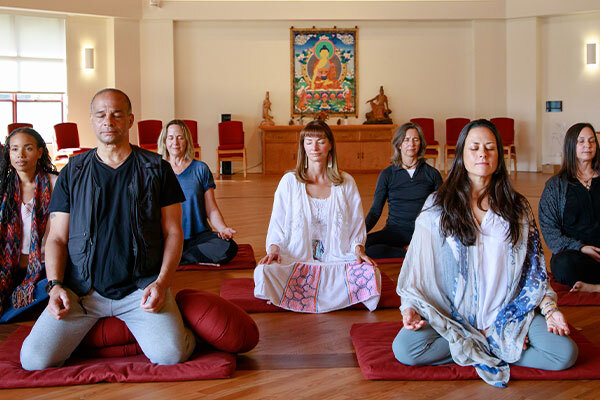
Practice Gratitude Meditation
Meditation helps individuals become more aware of positive experiences and cultivate appreciation.
During meditation, focus on:
- People who support you
- Positive memories
- Personal strengths
- Opportunities available to you
This practice can strengthen both mindfulness and gratitude.
Express Appreciation Daily
Look for opportunities to thank others sincerely.
Simple expressions of appreciation can improve relationships and create a more positive environment.
Common Misconceptions About Gratitude
Many people misunderstand gratitude and therefore struggle to practice it effectively.
Gratitude Does Not Mean Ignoring Problems
Some believe gratitude requires pretending everything is perfect.
In reality, gratitude acknowledges challenges while still recognizing positive aspects of life.
Gratitude Is Not Weakness
Appreciation and kindness are often signs of emotional strength rather than vulnerability.
Grateful individuals tend to demonstrate greater resilience during difficult situations.
Gratitude Is Not Reserved for Good Times
One of the most powerful aspects of gratitude is its ability to provide perspective during adversity.
Even small moments of appreciation can offer comfort during challenging periods.
How Gratitude Supports Personal Growth
When exploring what does grateful means, many people discover its connection to personal development.
Gratitude encourages:
- Self-awareness
- Emotional intelligence
- Resilience
- Positive thinking
- Healthy relationships
These qualities contribute significantly to long-term growth and fulfillment.
Gratitude Encourages Reflection
Reflecting on positive experiences helps individuals recognize progress and appreciate lessons learned.
This process builds confidence and supports continuous improvement.
Gratitude Promotes Emotional Balance
Grateful individuals often experience fewer emotional extremes because they maintain perspective and focus on meaningful aspects of life.
Creating a Gratitude-Focused Lifestyle
Developing gratitude is not about occasional reflection. It involves creating habits that reinforce appreciation consistently.
Helpful strategies include:
Start and End the Day with Gratitude
Spend a few moments each morning and evening reflecting on things you appreciate.
Limit Negative Comparisons
Social comparison often undermines gratitude.
Focus on your own journey and progress rather than measuring yourself against others.
Practice Mindful Awareness
Notice positive experiences throughout the day without rushing past them.
Surround Yourself with Positive Influences
Supportive relationships often encourage gratitude and emotional well-being.

Why Professional Guidance Can Help
Although gratitude practices can be started independently, many individuals benefit from structured support and mindfulness education.
At Mindfulness Meditation Hub, we provide guided meditation resources, mindfulness training, and wellness tools designed to help individuals deepen their gratitude practices and improve emotional well-being.
Our approach combines mindfulness, self-awareness, and personal growth strategies that make gratitude easier to integrate into everyday life.
Whether you’re new to mindfulness or looking to strengthen your existing practice, our resources can help you develop lasting habits that support happiness and resilience.
Final Thoughts
The question what does grateful means opens the door to a deeper understanding of appreciation, mindfulness, and emotional wellness. Gratitude is much more than a polite response—it is a transformative mindset that influences how people experience life.
By focusing on blessings, expressing appreciation, and developing daily gratitude habits, individuals can improve relationships, reduce stress, and cultivate greater happiness.
The beauty of gratitude is its simplicity. It requires no special equipment, no expensive programs, and no dramatic life changes. Instead, it begins with a simple choice to notice and appreciate what is already present.
Related Topics
- Mindfulness Techniques Anxiety: Proven Ways to Calm Your Mind
- Mindfulness Examples That Bring Calm Into Daily Life
- What Is Mindfulness? A Complete Guide to Inner Peace and Focus
- Meditate Correctly: A Beginner-Friendly Guide to Mindfulness
- Mindfulness Stress Reduction Techniques to Calm Anxiety
- Living with Mindfulness: A Practical Guide to Daily Peace & Balance
- Mindfulness for Overthinking: How to Calm Your Mind
- Mindfulness Stress Relief: Reduce Anxiety and Find Inner Calm
- Mindfulness Daily Life: Simple Habits to Reduce Stress
- Teach Mindfulness Meditation: A Complete Guide