

The 3 minute breathing space is a simple mindfulness exercise for moments when your mind feels crowded, your emotions are running high, or your day is moving too quickly. Instead of trying to eliminate stress or force yourself to relax, this brief practice helps you pause, recognize what is happening, and return to the present with greater awareness.
It is short enough to use between meetings, before an important conversation, after reading a difficult message, or whenever you notice that you are operating on autopilot. No special equipment is required. You only need a few minutes, a reasonably comfortable position, and a willingness to observe your experience without immediately trying to change it.
At Mindfulness Meditation Hub, we make meditation approachable through clear instructions, guided mindfulness resources, and practical exercises that fit into everyday life. This guide explains the method step by step and shows how to make it part of a realistic routine.
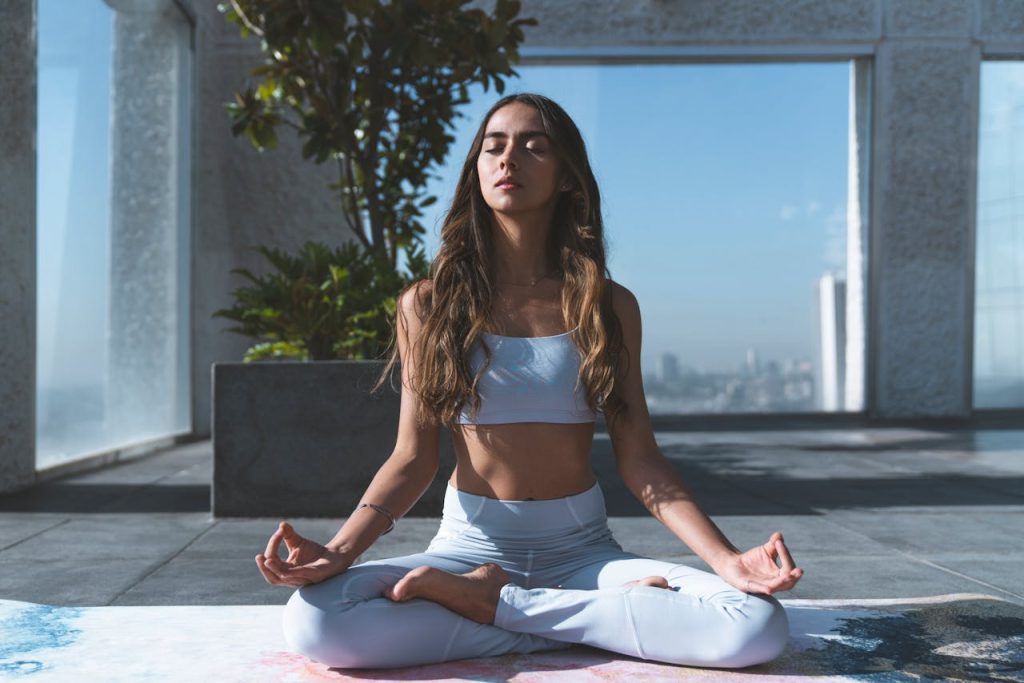
What Is the 3 Minute Breathing Space?
A 3 minute breathing space is a structured mindfulness pause commonly associated with Mindfulness-Based Cognitive Therapy, or MBCT. It is generally practiced in three stages: becoming aware of your current experience, gathering attention around the breath, and then expanding awareness to include the whole body.
University and clinical MBCT resources identify it as a brief practice used to bring mindfulness into ordinary and challenging moments.
The exercise is not about emptying your mind. Thoughts may continue, emotions may remain uncomfortable, and your surroundings may still be busy. The aim is to notice these experiences more clearly so you can respond intentionally rather than react automatically.
Think of it as creating a small space between what is happening and what you do next.
Why a Three-Minute Pause Can Be Useful
Long meditation sessions can be valuable, but they are not always practical during a workday or stressful situation. A short breathing pause provides an accessible way to reconnect with mindfulness without waiting for ideal conditions.
It Interrupts Autopilot
When you are rushed or emotionally activated, you may move directly from a trigger to a reaction. A brief pause encourages you to notice thoughts, feelings, and physical sensations before deciding what the moment requires.
For example, instead of immediately replying to a frustrating email, you can pause, notice your physical tension, observe the thoughts passing through your mind, and choose a more considered response.
It Gives Attention One Clear Anchor
The breath is always available. Paying attention to its natural movement gives the mind a specific place to return when thoughts become scattered.
You do not need to breathe in a special way. Simply observing the sensations of breathing can help shift your attention from mental activity to a direct experience of the present moment.
It Builds Awareness of the Body
Stress may appear as a tight jaw, raised shoulders, shallow breathing, pressure in the chest, or restlessness. Noticing these sensations does not automatically remove them, but it can help you understand your current state more accurately.
This awareness may reveal that you need to stretch, rest, step outside, drink water, change your posture, or address an unresolved concern.
It Supports a Broader Mindfulness Routine
Brief exercises can complement longer meditation, mindful walking, journaling, body scans, gratitude practices, or guided relaxation.
In MBCT settings, the 3 minute breathing space is often used both at planned times and in response to difficult moments.
Mindfulness and meditation may support general well-being and help some people manage stress-related experiences. However, research varies by practice and condition, and mindfulness should not replace appropriate medical or mental health care.
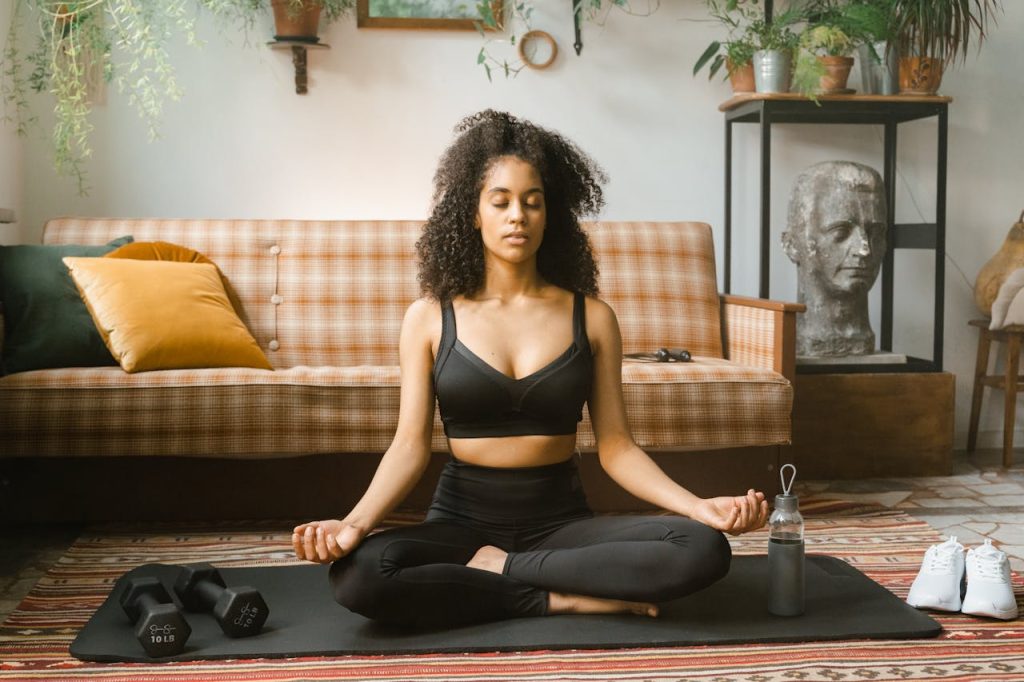
How to Practice the 3 Minute Breathing Space
Choose a place where you can pause safely. You may sit, stand, or lie down, although sitting upright often makes it easier to remain alert. Set a gentle timer if checking the clock would distract you.
Each stage lasts approximately one minute. Exact timing is less important than moving through the three stages with patience and care.
Minute One: Recognize What Is Here
Begin by asking yourself:
What is happening in my experience right now?
First, notice your thoughts. You do not need to solve, challenge, or suppress them. Simply recognize them as mental events.
You might silently label them with words such as:
- Planning
- Worrying
- Remembering
- Judging
- Comparing
- Rehearsing
Next, notice any emotions that are present. Perhaps you feel irritated, nervous, disappointed, excited, tired, hopeful, or emotionally neutral.
Try to name the feeling without criticizing yourself for having it. You are not trying to decide whether the emotion is reasonable. You are simply acknowledging that it is present.
Finally, scan your body for noticeable sensations. You may become aware of warmth, pressure, tingling, tightness, heaviness, discomfort, or ease.
The first minute is about acknowledging reality rather than escaping it.
Minute Two: Gather Attention Around the Breath
Now gently narrow your attention to breathing.
Notice where the breath feels clearest. It may be the cool air entering your nostrils, the movement of your chest, or the rise and fall of your abdomen.
Allow breathing to continue naturally rather than forcing a deep, slow, or perfect rhythm.
Follow one complete inhalation from beginning to end. Then follow one complete exhalation. Continue observing each new breath as it arrives.
Your mind will probably wander. You may start thinking about work, family, plans, problems, or what you will do after the exercise.
When this happens, recognize where your attention went and gently return to the physical sensation of breathing.
Returning is not a failure. Returning is the practice.
The breath acts as an anchor, offering a steady point of contact with the present moment.
Minute Three: Expand Awareness to the Whole Body
During the final minute, widen your attention beyond the breath.
Feel your posture, facial expression, hands, feet, and the points where your body meets the chair or floor. Notice the whole body breathing rather than focusing on one small area.
Allow thoughts, emotions, sounds, and sensations to remain within this broader field of awareness. Nothing needs to be forced away.
You might imagine that your awareness is expanding from a narrow spotlight into a wide, open space.
Before finishing, ask yourself:
What would be a wise and supportive next step?
The answer may be to:
- Continue your current task
- Take a brief walk
- Drink some water
- Set a personal boundary
- Delay an emotional response
- Speak more carefully
- Ask someone for support
- Rest for a few minutes
Mindfulness does not always tell you to stop what you are doing. Instead, it helps you see your options more clearly.

A Short Guided Breathing Script
Use the following script when you need simple, straightforward guidance:
Pause and feel the support beneath your body. Notice what is present right now—your thoughts, emotions, and physical sensations. Allow each experience to be acknowledged without needing to fix it.
Bring your attention to breathing. Feel one inhalation from beginning to end, followed by one exhalation. When the mind wanders, return gently to the breath.
Now widen your awareness to include the whole body. Notice your posture, your face, your hands, and the space around you. Let everything be present as you choose your next action with care.
You can read this script silently, record it in your own voice, or use it as a framework until the sequence becomes familiar.
When to Use This Mindfulness Exercise
Use the 3 minute breathing space at consistent times or during situations that tend to trigger automatic reactions.
Helpful moments may include:
- After waking up and before checking your phone
- Before beginning work or study
- Between appointments or meetings
- After receiving stressful news
- Before responding to a tense message
- While transitioning from work to home
- When repetitive thoughts are taking over
- Before an exam, interview, or presentation
- Before sleep, if the exercise feels settling
- Before making a decision under pressure
Practicing when you are relatively calm can make the steps easier to remember when life becomes more demanding.
You might begin by scheduling one pause in the morning and another in the afternoon. Once the method feels natural, you can use it whenever you notice tension, distraction, or emotional reactivity.
Common Mistakes and Better Approaches
Trying to Force Relaxation
You may finish the exercise and still feel stressed, frustrated, or unsettled. That does not mean the practice failed.
The immediate purpose is awareness, not guaranteed calmness.
Try this instead: Measure the practice by whether you noticed your experience and returned your attention deliberately.
Controlling the Breath Too Much
People often assume mindful breathing must be unusually slow or deep. However, forced breathing may feel uncomfortable or make some individuals more self-conscious.
Try this instead: Observe the breath you already have. If natural breathing is difficult to follow, focus on your feet, hands, surrounding sounds, or contact with the chair.
Judging a Busy Mind
A wandering mind is normal. Becoming frustrated with yourself usually adds another layer of tension to the experience.
Try this instead: Treat each distraction as an opportunity to practice returning with patience.
Expecting Thoughts to Disappear
Mindfulness is not about switching off your thoughts. It involves changing how you relate to them.
Try this instead: Notice thoughts as temporary mental events rather than commands, facts, or problems that must be solved immediately.
Using Mindfulness to Avoid a Problem
A pause can improve awareness, but it does not replace necessary action. Some situations require communication, professional support, medical care, or a practical solution.
Try this instead: End the exercise by identifying one helpful and realistic next step.
How to Turn Three Minutes Into a Lasting Habit
Begin with one scheduled practice each day. Connect it to an existing routine, such as finishing breakfast, opening your laptop, taking lunch, or turning off the lights at night.
Use this simple habit-building plan:
- Choose a cue: Decide exactly when you will pause.
- Reduce friction: Save the guided script somewhere easy to access.
- Keep expectations realistic: The goal is to practice, not create a particular mood.
- Notice the result: Ask whether you became more aware or less reactive.
- Repeat for one week: Consistency matters more than extending the duration.
After the sequence becomes familiar, try using the exercise during a mildly stressful moment. Starting with manageable situations can help you build confidence before applying it during stronger emotions.
You can also combine the practice with:
- Mindful journaling
- Body scan meditation
- Gratitude reflection
- Walking meditation
- Guided visualization
- Loving-kindness meditation
- Evening relaxation exercises
The objective is not to create a complicated wellness routine. It is to develop a small practice that you can realistically maintain.
Is This Practice Right for Everyone?
Many people can explore brief mindfulness safely, but meditation does not feel helpful for everyone.
Some individuals may experience increased anxiety, intrusive thoughts, emotional discomfort, or distress when focusing internally. Federal health guidance notes that mindfulness practices generally have few risks while also acknowledging that negative experiences can occur and that safety research remains limited.
Keep your eyes open, shorten the exercise, or focus on external sights and sounds if internal attention feels overwhelming. Stop the practice if you begin to feel significantly worse.
For ongoing anxiety, depression, trauma symptoms, breathing problems, or other health concerns, consult a qualified healthcare professional. A short mindfulness exercise is a wellness tool, not a diagnosis or substitute for appropriate treatment.
Build a Practical Mindfulness Routine With Us
Mindfulness works best when the instructions feel clear and the practice fits your actual life.
Mindfulness Meditation Hub offers accessible meditation guidance, reflective exercises, and educational resources for beginners and experienced practitioners who want to develop greater present-moment awareness.
We help you move beyond vague advice by breaking mindfulness techniques into simple steps you can use at home, at work, or during everyday transitions.
Through our resources, you can explore:
- Guided breathing exercises
- Beginner meditation instructions
- Mindfulness techniques
- Stress-management practices
- Body awareness exercises
- Self-compassion reflections
- Daily meditation routines
- Mindful living guidance
Our goal is to make meditation understandable and practical without creating pressure to perform it perfectly.
Take Your Next Mindful Pause
You do not need a silent room, special equipment, or a long block of free time to reconnect with yourself. You can begin with one deliberate pause, one natural breath, and one honest look at what is happening inside you.
Make the 3 minute breathing space part of your daily routine and discover how a few attentive moments can help you move into the next part of your day with greater steadiness and intention.
Explore Mindfulness Meditation Hub today for practical guidance that makes meditation easier to understand, begin, and sustain.
Related Topics
- Meditation Mindset: Transform Your Life from the Inside Out
- Meditation for Mental Health: Calm Mind, Strong Healing
- Guided Body Scan Meditation: Deep Relaxation for Mind & Body
- Meditation Facts That Will Transform Your Mind and Life
- Meditation for Stress Management: Find Calm in a Busy Life
- Meditation for Severe Anxiety: Find Lasting Calm & Relief
- Jon Kabat Zinn Meditation: Transform Stress Into Lasting Calm
- Loving Kindness Meditation Script for Deep Healing & Peace
- What Is Mindfulness Meditation? Unlock Calm, Focus & Joy
- Scripts for Meditation: Powerful Guides for Inner Peace