
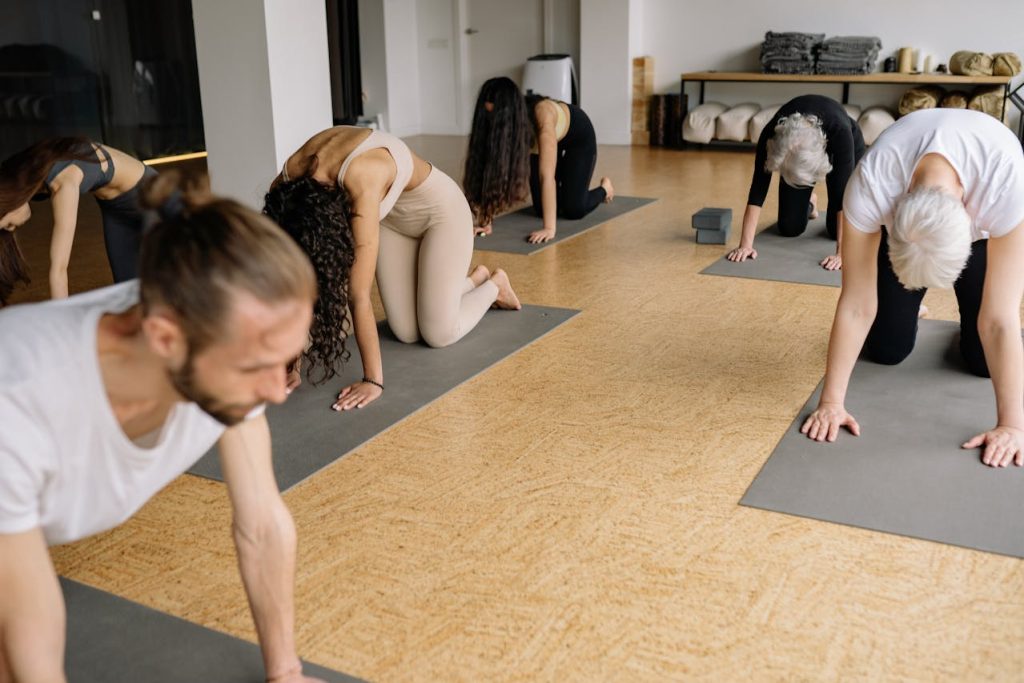
Meditation methods offer practical ways to calm the mind, improve self-awareness, and develop a deeper connection with the present moment. In today’s fast-paced world, many people struggle with stress, constant distractions, and emotional exhaustion. Meditation provides a simple yet powerful approach to creating more balance and clarity.
While meditation has been practiced for thousands of years across different cultures, modern mindfulness has made these practices more accessible than ever. The key is understanding that meditation is not a one-size-fits-all experience. Different techniques support different goals, whether you want to reduce anxiety, improve focus, sleep better, or develop emotional resilience.
At Mindfulness Meditation Hub, we help individuals explore mindfulness practices and meditation techniques that fit their personal wellness goals. By learning different approaches, you can discover a practice that feels natural, sustainable, and meaningful.
Understanding Meditation and Its Benefits
Meditation is a practice that trains attention and awareness. It encourages individuals to observe thoughts, emotions, and sensations without judgment.
Rather than trying to eliminate thoughts completely, meditation teaches you how to respond to them with greater calm and understanding.
Regular meditation practice may support:
- Reduced stress levels.
- Improved emotional awareness.
- Better concentration.
- Greater relaxation.
- Increased self-compassion.
- Enhanced overall well-being.
The benefits of meditation often grow through consistency. Even a few minutes of daily practice can create positive changes over time.
Why Choosing the Right Meditation Practice Matters
With so many options available, beginners often feel overwhelmed when starting their meditation journey. Some practices focus on breathing, while others involve movement, visualization, or repeating specific phrases.
Choosing the right technique depends on your personal needs.
For example:
- Someone experiencing stress may benefit from calming breathing practices.
- Someone seeking emotional healing may prefer compassion-based meditation.
- Someone wanting better focus may enjoy concentration practices.
- Someone struggling with sleep may benefit from relaxation techniques.
Exploring different meditation methods allows you to find an approach that supports your lifestyle and personal goals.
Popular Meditation Techniques to Explore
Mindfulness Meditation
Mindfulness meditation is one of the most widely practiced approaches today.
This technique focuses on becoming aware of the present moment without judgment. During practice, individuals observe their breathing, thoughts, emotions, and physical sensations.
A simple mindfulness practice may include:
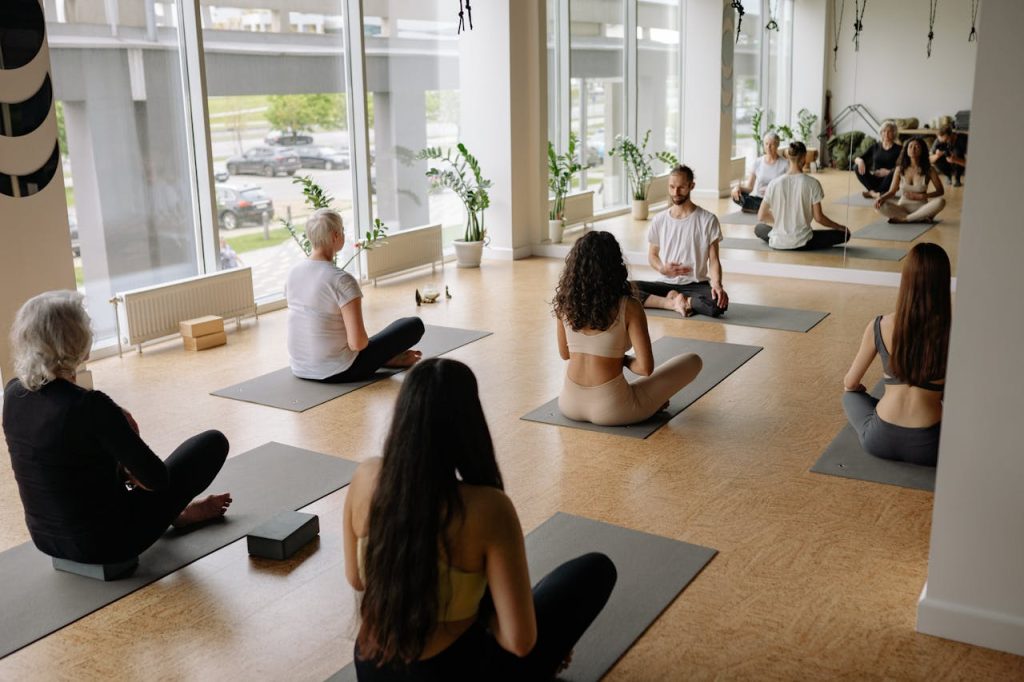
- Sitting comfortably.
- Bringing attention to your breath.
- Noticing thoughts as they appear.
- Gently returning focus to the present moment.
Mindfulness can help develop greater awareness and emotional balance in everyday situations.
Guided Meditation
Guided meditation is an excellent option for beginners because it provides structure and support.
During a guided session, a teacher or recording leads you through relaxation, visualization, breathing exercises, or reflection.
Benefits include:
- Easier focus for beginners.
- Clear instructions.
- Reduced uncertainty.
- Support for specific goals.
At Mindfulness Meditation Hub, guided meditation resources help individuals create a consistent practice without feeling overwhelmed.
Loving-Kindness Meditation
Loving-kindness meditation focuses on developing compassion, kindness, and positive intentions toward yourself and others.
During this practice, individuals repeat supportive phrases such as:
- May I be peaceful.
- May I be healthy.
- May others experience happiness.
This approach can help strengthen empathy, self-compassion, and emotional connection.
Breathing-Based Meditation Practices
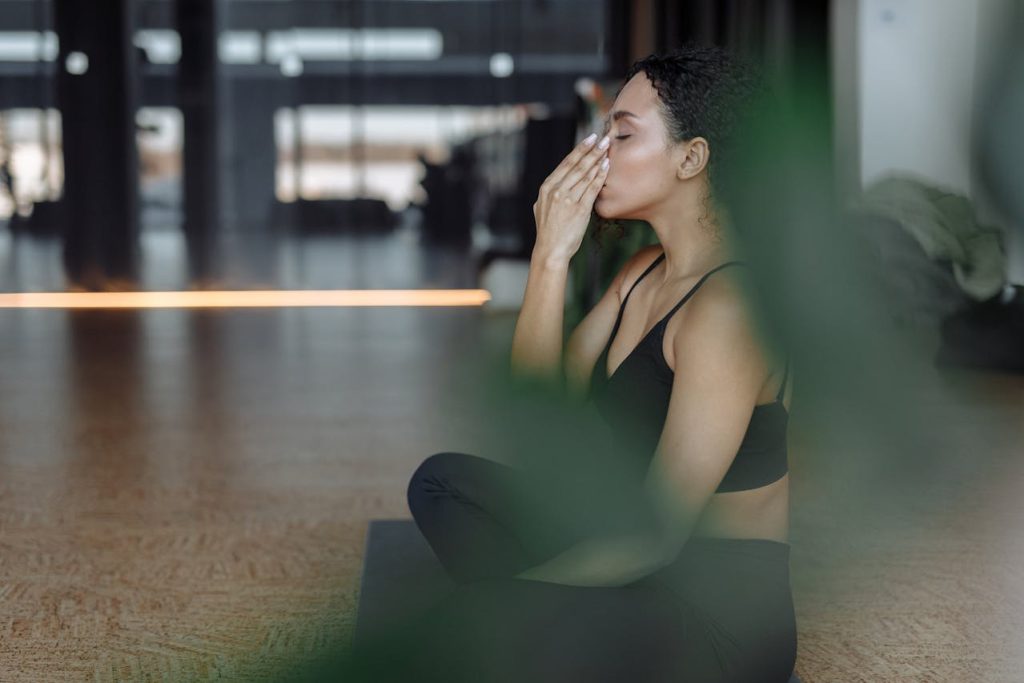
Breathing is one of the simplest tools available for creating calm and awareness.
Focused breathing practices encourage the mind to slow down and reconnect with the body.
Deep Breathing Meditation
This method involves taking slow, intentional breaths while observing each inhale and exhale.
It can be helpful during moments of:
- Stress.
- Anxiety.
- Mental fatigue.
- Emotional overwhelm.
A few minutes of mindful breathing can create a sense of grounding and relaxation.
Breath Awareness Meditation
Instead of controlling the breath, this practice focuses on simply observing it.
You notice:
- The rhythm of breathing.
- Physical sensations.
- Changes in your body.
This develops patience and present-moment awareness.

Body-Focused Meditation Techniques
The body often holds signs of stress before we consciously recognize them.
Body-focused meditation helps increase awareness of physical sensations and encourages relaxation.
Body Scan Meditation
Body scan meditation involves slowly moving attention through different parts of the body.
You may notice:
- Muscle tension.
- Areas of discomfort.
- Feelings of relaxation.
This practice can support deeper relaxation and a stronger mind-body connection.
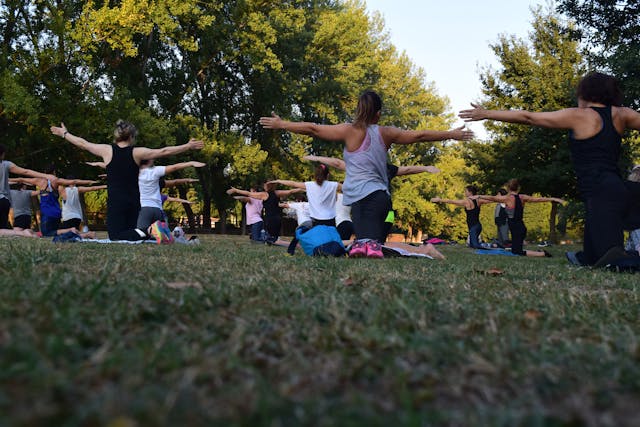
Movement-Based Meditation
Meditation does not always require sitting still.
Movement-based practices combine physical activity with mindfulness.
Examples include:
Walking Meditation
Walking meditation transforms an everyday activity into a mindful experience.
Instead of focusing on reaching a destination, you focus on:
- Your footsteps.
- Your breathing.
- The sensations in your body.
- Your surroundings.
This practice is especially helpful for people who find sitting meditation challenging.
Yoga Meditation
Yoga combines movement, breathing, and awareness.
Many people use yoga as a moving meditation because it encourages connection between the body and mind.
Benefits may include:
- Improved flexibility.
- Reduced physical tension.
- Increased relaxation.
- Greater body awareness.
How to Build a Consistent Meditation Routine
The effectiveness of any meditation practice depends on consistency rather than perfection.
A realistic routine is easier to maintain than an unrealistic goal.
Consider these tips:
- Start with five minutes daily.
- Choose a quiet and comfortable space.
- Practice at the same time each day.
- Focus on progress rather than expectations.
- Use guided resources when needed.
Small, regular steps can create lasting mindfulness habits.
Advanced Meditation Methods for Deeper Awareness
As your meditation practice develops, you may want to explore techniques that support deeper awareness, emotional growth, and personal transformation. Advanced practices are not necessarily more complicated; they simply encourage a more intentional connection with your thoughts, feelings, and experiences.
Visualization Meditation
Visualization meditation uses mental imagery to create feelings of peace, confidence, and relaxation.
During this practice, you imagine a peaceful scene, positive experience, or personal goal while focusing on the emotions connected to that image.
Common visualization themes include:
- A peaceful natural environment.
- A place where you feel safe and relaxed.
- Achieving a personal goal.
- Releasing stress or emotional tension.
This technique can be useful for people who respond well to imagination and creative reflection.
Mantra Meditation
Mantra meditation involves repeating a word, phrase, or sound to help focus the mind.
The repetition creates a mental anchor that makes it easier to move away from distracting thoughts.
A mantra practice may involve phrases connected to:
- Peace.
- Gratitude.
- Compassion.
- Self-confidence.
- Awareness.
This technique has been used for centuries and remains popular because of its simplicity and calming effect.
Transcendental Meditation
Transcendental meditation is a structured practice that uses silent repetition to encourage a deeply relaxed state of awareness.
Many people appreciate this method because it provides a clear framework and regular routine.
Like other meditation approaches, consistency is important. The goal is not to force relaxation but to create the conditions where calmness can naturally develop.
Choosing the Best Meditation Practice for Your Lifestyle
Finding the right approach depends on your personal preferences, goals, and daily routine.
There is no single method that works perfectly for everyone. The most effective practice is the one you can maintain consistently.
Consider these questions:
What Is Your Main Goal?
Your reason for meditating can guide your choice.
For example:
- Stress relief → mindfulness or breathing meditation.
- Better sleep → relaxation or guided meditation.
- Emotional growth → loving-kindness meditation.
- Improved focus → concentration practices.
- Physical awareness → body scan meditation.
How Do You Prefer to Practice?
Some people enjoy quiet sitting, while others prefer movement or guided support.
You may prefer:
- Independent silent meditation.
- Audio-guided sessions.
- Outdoor meditation.
- Movement-based practices.
- Short mindfulness exercises.
Experimenting with different approaches can help you discover what feels most natural.
Common Meditation Mistakes and How to Avoid Them
Many beginners give up because they develop unrealistic expectations about meditation.
Understanding common challenges can help create a more positive experience.
Expecting a Completely Empty Mind
A common misconception is that successful meditation means having no thoughts.
Thoughts are a natural part of being human.
The purpose is not to stop thinking but to become more aware of thoughts without automatically reacting to them.
Practicing Only When Feeling Stressed
Meditation can help during stressful moments, but building a regular habit creates stronger benefits.
A consistent practice trains the mind to return to calm more easily.
Even a short daily session can make a meaningful difference.
Comparing Your Experience With Others
Everyone experiences meditation differently.
Some people feel immediate relaxation, while others notice gradual changes over time.
Avoid judging your practice. Progress comes through patience and continued awareness.
How Meditation Supports Emotional Wellness
Meditation is not only about relaxation. It also helps individuals develop a healthier relationship with emotions.
Through regular practice, people may become better at:
- Recognising emotional patterns.
- Responding instead of reacting.
- Managing difficult feelings.
- Developing self-compassion.
- Creating mental clarity.
These skills can improve relationships, decision-making, and overall quality of life.
How Mindfulness Meditation Hub Helps You Explore Meditation
At Mindfulness Meditation Hub, we understand that beginning a meditation practice can feel challenging without proper guidance.
Our goal is to make mindfulness accessible through practical resources, educational content, and supportive meditation practices designed for everyday life.
We help individuals explore different meditation methods and discover techniques that match their personal wellness needs.
Our resources support people who want to:
- Reduce everyday stress.
- Improve mindfulness awareness.
- Create healthier routines.
- Develop emotional balance.
- Strengthen their connection with themselves.
Whether you are completely new to meditation or looking to deepen your existing practice, our approach focuses on realistic techniques that can be integrated into modern lifestyles.
Creating a Long-Term Meditation Habit
A successful meditation journey is built through patience and commitment.
Instead of focusing on achieving a perfect experience, focus on creating a consistent relationship with mindfulness.
Helpful strategies include:
- Scheduling meditation like any important appointment.
- Starting with manageable sessions.
- Tracking your progress.
- Exploring new techniques.
- Returning to practice even after breaks.
Meditation is a lifelong skill that grows through regular attention and care.
Begin Your Meditation Journey Today
Meditation offers a powerful opportunity to slow down, reconnect, and create more balance in daily life. With so many approaches available, you can find a practice that supports your unique goals and personal journey.
Exploring different meditation methods allows you to discover techniques that encourage greater awareness, emotional resilience, and inner peace.
At Mindfulness Meditation Hub, we are here to support your journey with practical guidance and mindfulness resources designed for real-life challenges.
Start exploring meditation today and take the first step toward a more mindful, balanced, and peaceful life.
Related Topics
- Meditation Mindset: Transform Your Life from the Inside Out
- Meditation for Mental Health: Calm Mind, Strong Healing
- Guided Body Scan Meditation: Deep Relaxation for Mind & Body
- Meditation Facts That Will Transform Your Mind and Life
- Meditation for Stress Management: Find Calm in a Busy Life
- Meditation for Severe Anxiety: Find Lasting Calm & Relief
- Jon Kabat Zinn Meditation: Transform Stress Into Lasting Calm
- Loving Kindness Meditation Script for Deep Healing & Peace
- What Is Mindfulness Meditation? Unlock Calm, Focus & Joy
- Scripts for Meditation: Powerful Guides for Inner Peace