
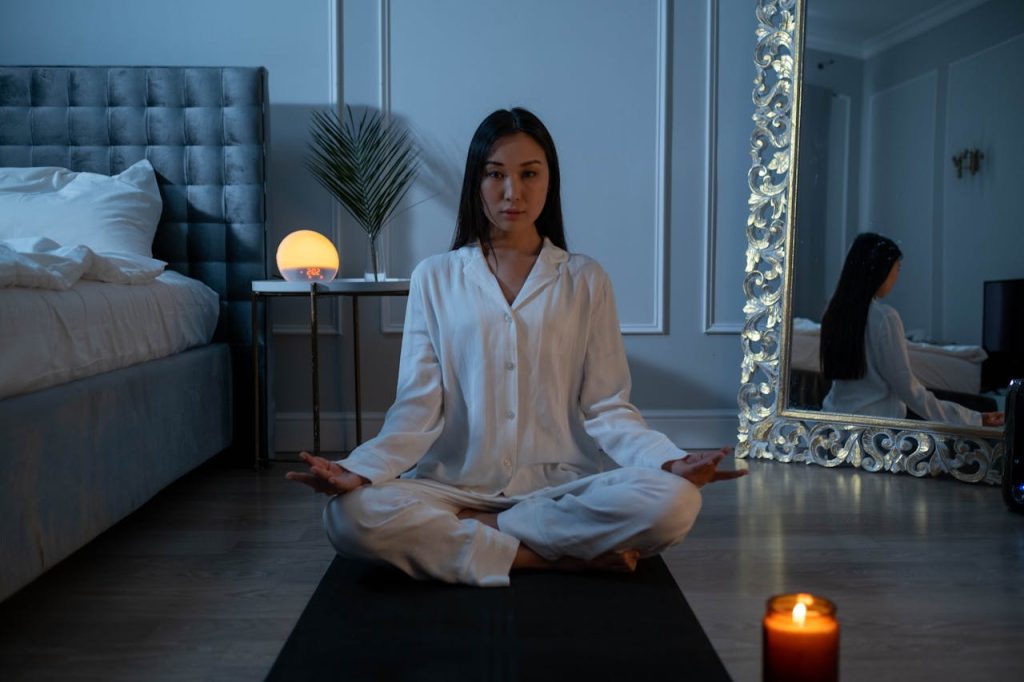
Meditation mind practices help cultivate greater awareness, emotional balance, and mental clarity by training the brain to focus on the present moment. In today’s fast-paced world, constant notifications, busy schedules, and ongoing stress can leave the mind feeling overwhelmed and exhausted. Meditation offers a practical way to slow down, reconnect with yourself, and create lasting inner peace.
Rather than trying to stop thoughts completely, meditation teaches you how to observe them without judgment. Over time, this mindful awareness can help reduce stress, improve concentration, and strengthen emotional resilience.
At Mindfulness Meditation Hub, we believe that anyone can benefit from meditation regardless of experience. Through guided practices, educational resources, and practical mindfulness techniques, we help individuals develop healthier habits that support long-term mental and emotional wellness.
Understanding the Connection Between Meditation and the Mind
The human mind constantly processes thoughts, emotions, memories, and external information. While this ability is essential for everyday life, it can also lead to mental fatigue when the brain rarely has an opportunity to rest.
Meditation creates intentional moments of stillness where awareness becomes the focus rather than constant thinking.
Instead of becoming controlled by every thought, meditation encourages you to observe thoughts with curiosity and acceptance.
Regular practice helps develop:
- Greater emotional awareness.
- Improved concentration.
- Increased patience.
- Better stress management.
- Stronger self-awareness.
These skills contribute to a healthier relationship with both your thoughts and emotions.

Why Mental Wellness Matters More Than Ever
Modern lifestyles often encourage constant productivity. Many people spend hours multitasking, checking devices, and responding to endless responsibilities.
Without regular mental recovery, this can contribute to:
- Chronic stress.
- Anxiety.
- Difficulty sleeping.
- Emotional exhaustion.
- Reduced focus.
Mindfulness creates opportunities to pause before these challenges become overwhelming.
Developing healthy mental habits today can improve both your personal and professional life tomorrow.
How Meditation Changes Your Relationship With Thoughts
One of the greatest misconceptions about meditation is that it requires an empty mind.
In reality, thoughts naturally continue to appear.
The difference is how you respond to them.
Through meditation mind techniques, you learn to:
- Notice thoughts.
- Accept them without judgment.
- Avoid reacting automatically.
- Return attention to the present.
This process creates greater emotional stability over time.
Benefits of Meditation for Mental Clarity
Many people begin meditating to reduce stress but discover many additional benefits.
Improved Focus
Distractions are everywhere.
Meditation trains attention by gently bringing focus back whenever the mind wanders.
Over time, this practice can improve:
- Productivity.
- Learning.
- Decision-making.
- Memory.
Even short daily sessions help strengthen concentration.
Reduced Stress
Stress often comes from repeatedly thinking about the past or worrying about the future.
Mindfulness encourages awareness of the present moment.
As attention shifts away from constant worry, the body naturally begins to relax.
This may support:
- Lower stress levels.
- Better emotional regulation.
- Improved resilience.
Better Emotional Balance
Meditation encourages awareness instead of emotional reactivity.
Rather than immediately responding to difficult situations, practitioners often become more capable of pausing and choosing thoughtful responses.
This supports healthier communication and stronger relationships.

Meditation Techniques That Strengthen the Mind
Different meditation practices support different personal goals.
Exploring multiple techniques helps you discover what works best for you.
Mindfulness Meditation
Mindfulness meditation focuses on observing thoughts, emotions, and sensations without judgment.
This practice develops awareness while encouraging acceptance of whatever arises during meditation.
Beginners often appreciate mindfulness because it requires no special beliefs or experience.
Focused Attention Meditation
Focused attention meditation trains the mind to remain on one point of focus.
This may be:
- The breath.
- A sound.
- A word.
- A candle flame.
Whenever attention drifts, you gently return to your chosen object.
This simple repetition strengthens mental discipline.
Guided Meditation
Guided meditation provides structure through spoken instructions.
Many people find guided sessions especially helpful when beginning meditation because they reduce uncertainty.
Guided practices may include:
- Relaxation exercises.
- Visualization.
- Body awareness.
- Breathing techniques.
- Positive affirmations.
At Mindfulness Meditation Hub, guided meditation resources help individuals build confidence while creating consistent mindfulness habits.
Breathing as a Tool for Mental Calm
Breathing remains one of the simplest ways to influence the nervous system.
Conscious breathing encourages relaxation while helping the mind return to the present moment.
A simple exercise includes:
- Sit comfortably.
- Inhale slowly.
- Exhale gently.
- Observe each breath.
- Repeat for several minutes.
Whenever thoughts arise, simply return attention to breathing.
Daily Habits That Support a Healthier Mind
Meditation becomes even more effective when combined with supportive daily habits.
Consider adding:
- Regular physical activity.
- Healthy sleep routines.
- Balanced nutrition.
- Journaling.
- Time in nature.
- Digital breaks.
Together, these practices create an environment where mindfulness can flourish.
Common Challenges Beginners Experience
Starting meditation is simple, but building consistency can take time.
Common challenges include:
Feeling Distracted
Everyone experiences wandering thoughts.
This is completely normal.
Each time you gently return your attention, you strengthen mindfulness.
Expecting Instant Results
Meditation is a gradual practice rather than a quick solution.
Consistent daily sessions often create the most meaningful long-term improvements.
Patience is an essential part of the journey.
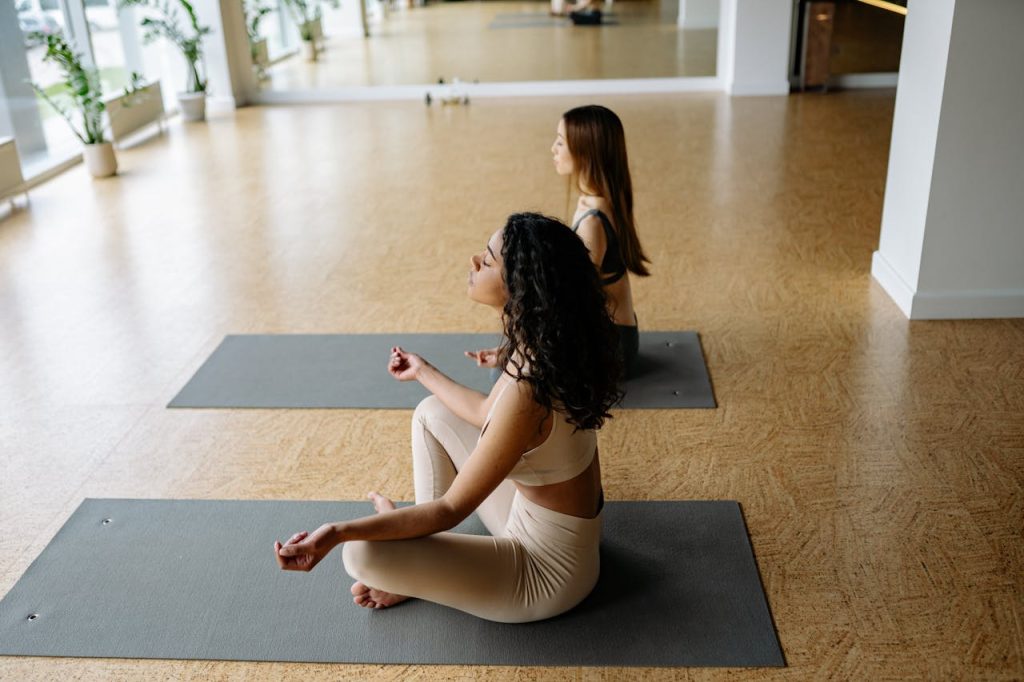
Advanced Practices for Developing a Stronger Mind
As your confidence grows, you may want to explore practices that encourage deeper awareness and emotional growth. These techniques help strengthen mindfulness while creating greater mental flexibility.
Body Scan Meditation
A body scan encourages you to move your attention slowly through different parts of your body.
Rather than trying to change physical sensations, you simply observe them with curiosity.
Regular body scan practice can help you:
- Recognize physical signs of stress.
- Release muscle tension.
- Improve body awareness.
- Develop deeper relaxation.
Many people include body scans as part of their evening routine because they promote a sense of calm before sleep.
Loving-Kindness Meditation
Loving-kindness meditation focuses on cultivating compassion toward yourself and others.
During the practice, you silently repeat phrases that encourage kindness, acceptance, and goodwill.
This technique can support:
- Greater empathy.
- Reduced self-criticism.
- Healthier relationships.
- Increased emotional resilience.
Developing compassion often creates a more balanced and peaceful mindset.
How Meditation Supports Emotional Resilience
Life naturally includes challenges, uncertainty, and emotional ups and downs. Meditation does not remove these experiences, but it changes how we respond to them.
Through meditation mind practices, individuals become more aware of emotional patterns and learn to respond with greater patience rather than reacting automatically.
Over time, regular meditation may help you:
- Stay calm during stressful situations.
- Recover more quickly from setbacks.
- Improve self-awareness.
- Develop healthier coping strategies.
- Feel more emotionally grounded.
These qualities contribute to long-term mental wellness and healthier relationships.
Simple Ways to Build a Consistent Meditation Habit
Consistency matters more than the length of each session.
A realistic routine is easier to maintain than trying to meditate for long periods occasionally.
Consider these practical tips:
Start Small
Begin with five minutes each day.
Short sessions reduce pressure while helping you establish a lasting habit.
Create a Dedicated Space
Choose a quiet location where you can practice without interruptions.
Your space does not need to be elaborate. A comfortable chair, cushion, or peaceful corner is enough.
Practice at the Same Time
Many people find it helpful to meditate:
- Shortly after waking up.
- During a lunch break.
- Before bedtime.
A consistent schedule makes meditation easier to remember.
Be Patient With Yourself
Some sessions will feel peaceful, while others may feel challenging.
Both experiences are normal.
Meditation is about returning to awareness—not achieving perfection.
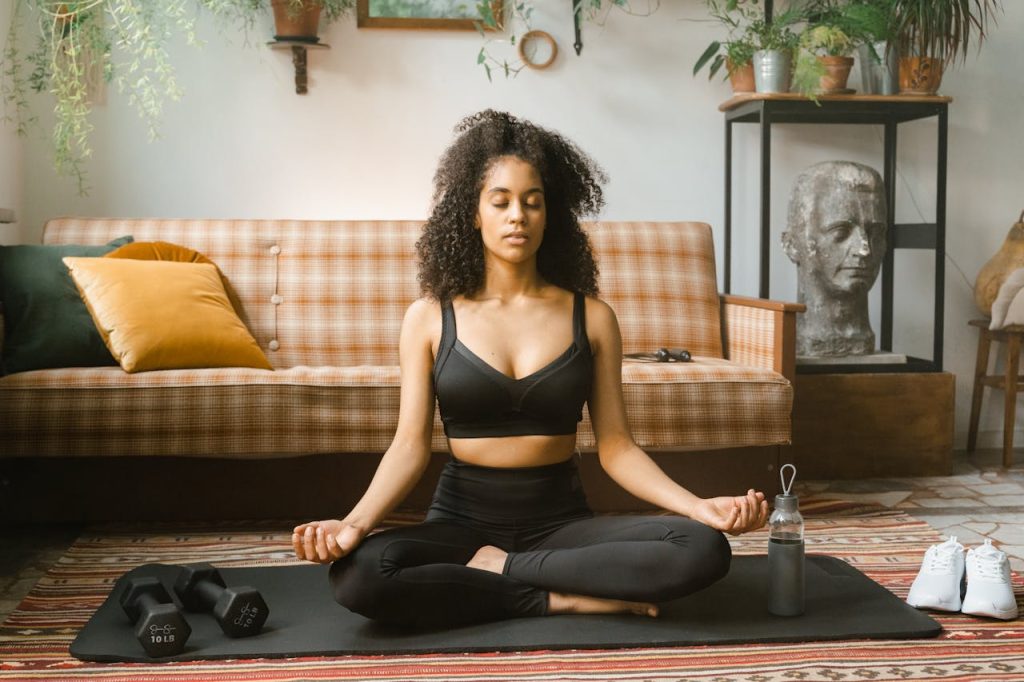
Common Myths About Meditation
Misunderstandings often discourage people from beginning a mindfulness practice.
Let’s address a few common myths.
“I Need to Stop Thinking”
The goal of meditation is not to eliminate thoughts.
Instead, you learn to observe thoughts without becoming overwhelmed by them.
Awareness—not silence—is the true practice.
“Meditation Takes Too Much Time”
Many people believe they need an hour every day.
In reality, five to ten minutes of consistent practice can provide meaningful benefits.
Small daily habits often produce lasting results.
“Meditation Is Only for Spiritual People”
Although meditation has roots in many traditions, modern mindfulness is widely practiced as a practical wellness tool.
People from all backgrounds use meditation to improve focus, reduce stress, and strengthen emotional health.
How Mindfulness Meditation Hub Supports Your Journey
At Mindfulness Meditation Hub, our mission is to make mindfulness simple, practical, and accessible for everyone.
Whether you are exploring meditation for the first time or deepening an existing practice, we provide guidance that fits naturally into everyday life.
Our resources help individuals:
- Learn effective mindfulness techniques.
- Develop consistent meditation habits.
- Improve emotional awareness.
- Build greater mental clarity.
- Create healthier responses to everyday stress.
By exploring different meditation mind practices, you can discover techniques that align with your personal goals and lifestyle.
Creating Lasting Mental Wellness Through Mindfulness
Mental wellness is built through small, consistent choices rather than dramatic changes.
Meditation becomes more effective when combined with healthy daily habits such as:
- Spending time outdoors.
- Prioritizing quality sleep.
- Maintaining healthy relationships.
- Practicing gratitude.
Together, these habits support a calmer, more resilient mind.

Begin Strengthening Your Mind Today
Your mind influences how you experience every part of life—from your relationships and work to your overall happiness. Taking a few minutes each day to practice mindfulness can create meaningful improvements in the way you think, feel, and respond to challenges.
Exploring meditation mind techniques allows you to build greater awareness, reduce unnecessary stress, and create a stronger foundation for emotional well-being.
At Mindfulness Meditation Hub, we are committed to helping you develop practical mindfulness skills through guided meditations, educational resources, and supportive wellness practices.
Start your meditation journey today and discover how small moments of mindful awareness can lead to lasting clarity, balance, and inner peace.
Related Topics
- Meditation Mindset: Transform Your Life from the Inside Out
- Meditation for Mental Health: Calm Mind, Strong Healing
- Guided Body Scan Meditation: Deep Relaxation for Mind & Body
- Meditation Facts That Will Transform Your Mind and Life
- Meditation for Stress Management: Find Calm in a Busy Life
- Meditation for Severe Anxiety: Find Lasting Calm & Relief
- Jon Kabat Zinn Meditation: Transform Stress Into Lasting Calm
- Loving Kindness Meditation Script for Deep Healing & Peace
- What Is Mindfulness Meditation? Unlock Calm, Focus & Joy
- Scripts for Meditation: Powerful Guides for Inner Peace