
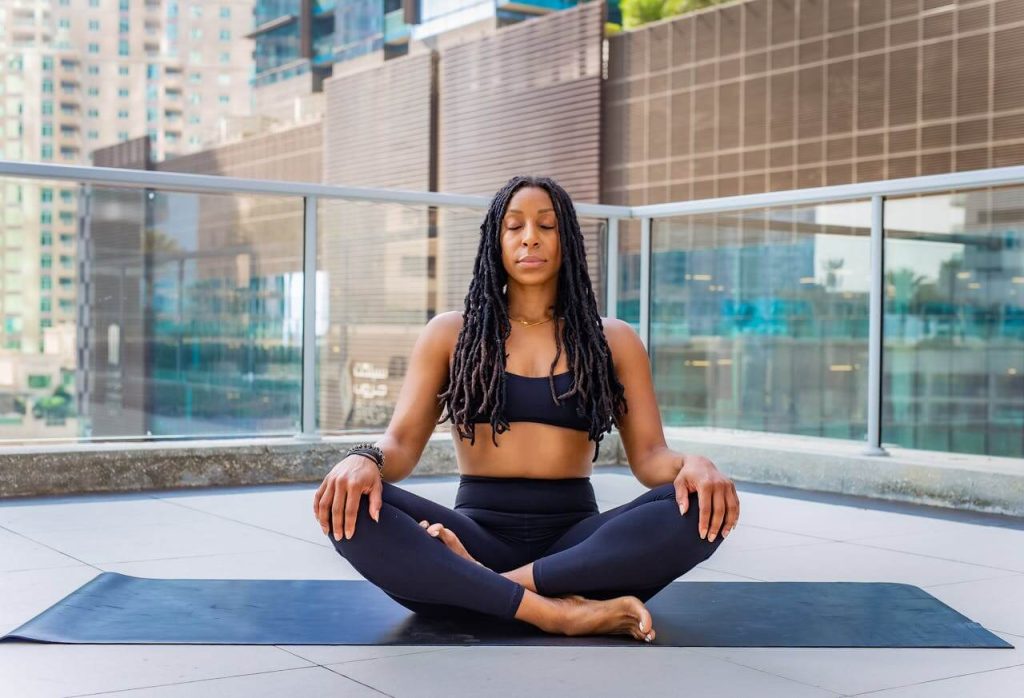
Meditation patience is the ability to stay present with discomfort, delay, uncertainty, or frustration without immediately reacting. It does not mean becoming passive or pretending difficult emotions are not there. Instead, it helps create a meaningful pause between what happens and how you respond.
That pause can improve conversations, reduce impulsive reactions, and make everyday stress easier to manage. Patience is not simply a personality trait. It is a skill that can be strengthened through consistent mindfulness practice.
At Mindfulness Meditation Hub, we help beginners and experienced practitioners build practical meditation habits for calmer, more intentional living. In this guide, you will learn why impatience happens, how meditation can help, and what to practice when your mind wants immediate results.
Why Meditation Patience Matters in Daily Life
Impatience often appears when reality does not match our preferred timeline. You may feel it while waiting for an email, sitting in traffic, learning a new skill, managing a child’s behavior, or trying to make progress at work.
The mind may say, “This should be happening faster,” or, “I should be better at this by now.” Those thoughts create tension, which can lead to irritability, poor decisions, or harsh self-criticism.
Mindfulness interrupts this cycle by teaching you to notice the urge to rush without automatically obeying it. Over time, frustration becomes something you can observe rather than an emergency you must immediately fix.
Patience also affects more than mood. It influences communication, judgment, relationships, consistency, and the ability to continue working toward long-term goals.
What Meditation Changes About Impatience
Meditation does not remove frustrating situations. It changes your relationship with the sensations and thoughts that arise within them.
During practice, you may notice restless legs, tightness in the chest, rapid thoughts, or a desire to stop. Rather than fighting those experiences, you learn to observe them with curiosity. You discover that discomfort rises, changes, and passes.
A meditation patience practice also reveals the difference between discomfort and danger. Many moments that feel unbearable are simply unpleasant. When you stay present for a few more breaths, the mind often gains a wider perspective.
This does not mean suppressing emotion. Healthy patience includes recognizing when action is needed. The purpose is to respond thoughtfully rather than react automatically.

7 Practical Ways to Build Patience Through Meditation
1. Begin With a Realistic Amount of Time
Many beginners assume they need to meditate for 20 or 30 minutes. That expectation can create frustration before the practice begins.
Start with three to five minutes. Sit comfortably, notice your breathing, and finish while the practice still feels manageable. A short session completed consistently is more useful than an ambitious routine you quickly abandon.
2. Use the Breath as a Place to Return
Your attention will wander. That is not failure; it is part of meditation.
Each time you notice thinking, planning, remembering, or judging, gently return to the breath. This repeated return is the training. You are learning how to begin again without becoming angry with yourself.
Try silently saying “in” as you inhale and “out” as you exhale.
3. Name the Feeling Without Becoming It
When impatience appears, give it a neutral label:
- “Waiting”
- “Restlessness”
- “Frustration”
- “Wanting”
- “Rushing”
Instead of saying, “I am an impatient person,” recognize, “Impatience is present right now.” That distinction reduces self-judgment and makes it easier to choose your next response.
4. Practice One Extra Breath
Before replying to a difficult message, take one slow inhale and one complete exhale. And before interrupting someone, pause for one breath. Before abandoning a task, stay for one more breath.
This exercise does not require a quiet room, special posture, or long session. It turns mindfulness into a practical daily skill.
5. Notice the Story Behind the Urgency
Impatience is often fueled by an internal story:
- “I am falling behind.”
- “They are wasting my time.”
- “Nothing is changing.”
- “I need an answer now.”
- “I should already know this.”
During meditation, ask, “What am I telling myself about this moment?”
You do not need to argue with the thought. Notice that it is a thought, not necessarily a fact. That awareness can reduce its emotional intensity.
6. Include the Body in Your Practice
Impatience often appears physically as a clenched jaw, raised shoulders, shallow breathing, tapping feet, or pressure in the stomach.
Use a brief body scan. Move your attention from the forehead to the jaw, shoulders, hands, abdomen, and legs. Wherever you find tension, soften the area slightly.
The goal is not perfect relaxation. Even a small release can signal that you do not need to fight the present moment.
7. End With Self-Compassion
People often become impatient with themselves for being impatient. This second layer of judgment makes the experience harder.
At the end of your practice, place a hand over your chest and repeat:
“Learning takes time.”
“I can begin again.”
“I do not have to solve everything now.”
Self-compassion supports consistency because it lets you continue without treating every difficult session as failure.

A Simple Meditation Patience Exercise for Busy Days
Use this five-minute practice when you feel rushed, irritated, or mentally overloaded.
Minute 1: Arrive
Sit in a stable position. Let your hands rest naturally. Notice the contact between your body and the chair or floor.
Minute 2: Follow the Breath
Choose one place where breathing feels clear, such as the nostrils, chest, or abdomen. Let the breath move naturally.
Minute 3: Notice Impatience
Observe any urge to move, stop, check the time, or think about what comes next. Silently label it “wanting” or “rushing.”
Minute 4: Make Room
Allow the sensation to remain without pushing it away. Imagine creating more space around it with each exhale.
Minute 5: Choose Your Next Step
Ask, “What is the most thoughtful action I can take next?” Then finish slowly rather than jumping up immediately.
Common Mistakes That Make Patience Harder
Expecting Immediate Calm
Meditation is not a switch that instantly creates peace. Some sessions feel quiet, while others reveal how active the mind has been. Both can be useful.
Progress may first appear in daily life. You may recover from frustration faster, speak more carefully, or notice tension sooner.
Trying to Stop Thoughts
The mind produces thoughts naturally. Trying to eliminate them usually creates more tension.
Instead, notice thoughts and return to your chosen anchor. The goal is not an empty mind; it is a steadier relationship with mental activity.
Judging Every Session
A session is not unsuccessful because you felt distracted. Noticing distraction is itself a moment of awareness.
Measure progress by your willingness to return, not by perfect concentration.
Using Patience to Avoid Necessary Action
Patience should not become an excuse to tolerate harmful behavior, ignore boundaries, or delay an important decision indefinitely.
Sometimes the mindful response is to wait. At other times, it is to communicate directly, seek support, or make a change.
How to Make the Practice Sustainable
Choose a consistent cue, such as after brushing your teeth, before opening your laptop, or just before bed. Keep your meditation space simple and remove unnecessary barriers.
Guided sessions can also provide helpful structure when you are tired, distracted, or unsure what to do. A clear, step-by-step format makes it easier to stay engaged without forcing concentration.
At Mindfulness Meditation Hub, our educational resources and guided mindfulness practices are designed to help you build a routine that feels realistic and relevant to daily life. We focus on practical techniques you can use during stress, waiting, conflict, and personal growth.

Start Building Meditation Patience Today
You do not need to become perfectly calm before meditation begins to help. Start with five minutes, notice the urge to rush, and return to one breath at a time.
Patience grows through repetition. Every gentle return teaches the mind that discomfort can be observed, choices can be delayed, and difficult moments can be met with greater care.
Explore Mindfulness Meditation Hub for beginner-friendly guidance, practical meditation techniques, and supportive resources that can help you create a calmer, more consistent practice. Begin today with one short session—and give yourself permission to grow at a human pace.
Related Topics
- Meditation Mindset: Transform Your Life from the Inside Out
- Meditation for Mental Health: Calm Mind, Strong Healing
- Guided Body Scan Meditation: Deep Relaxation for Mind & Body
- Meditation Facts That Will Transform Your Mind and Life
- Meditation for Stress Management: Find Calm in a Busy Life
- Meditation for Severe Anxiety: Find Lasting Calm & Relief
- Jon Kabat Zinn Meditation: Transform Stress Into Lasting Calm
- Loving Kindness Meditation Script for Deep Healing & Peace
- What Is Mindfulness Meditation? Unlock Calm, Focus & Joy
- Scripts for Meditation: Powerful Guides for Inner Peace