
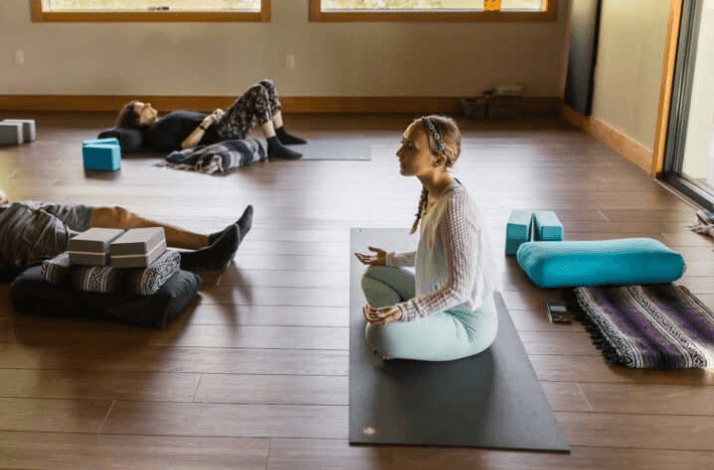
Rest meditation is a powerful mindfulness practice that helps individuals slow down, release mental pressure, and reconnect with a sense of calm in their daily lives. In a world filled with constant responsibilities, digital distractions, and ongoing stress, creating intentional moments of relaxation has become more important than ever.
Many people understand the importance of sleep, but true restoration involves more than simply resting the body. The mind also needs opportunities to pause, recover, and process emotions in a healthy way. Through mindful breathing, body awareness, and relaxation techniques, meditation can support deeper emotional balance and overall well-being.
Unlike practices that focus on achieving a specific outcome, this approach encourages acceptance, presence, and gentle awareness. It allows individuals to step away from constant activity and create space for inner peace.
At Mindfulness Meditation Hub, we believe rest is an essential part of a balanced lifestyle. Through guided mindfulness practices, relaxation techniques, and meditation education, we help individuals develop healthier habits that support emotional wellness, stress management, and a more peaceful daily routine.
Understanding the Meaning of Rest Meditation
Many people associate meditation with sitting still and controlling thoughts. However, meditation is not about forcing the mind to become completely empty.
Instead, it is about creating awareness and allowing yourself to experience the present moment without judgment.
Rest meditation focuses on:
- Relaxing the nervous system.
- Reducing mental overload.
- Releasing physical tension.
- Creating a peaceful internal environment.
- Supporting emotional recovery.
This practice encourages the body and mind to move away from constant stimulation and toward a calmer state.
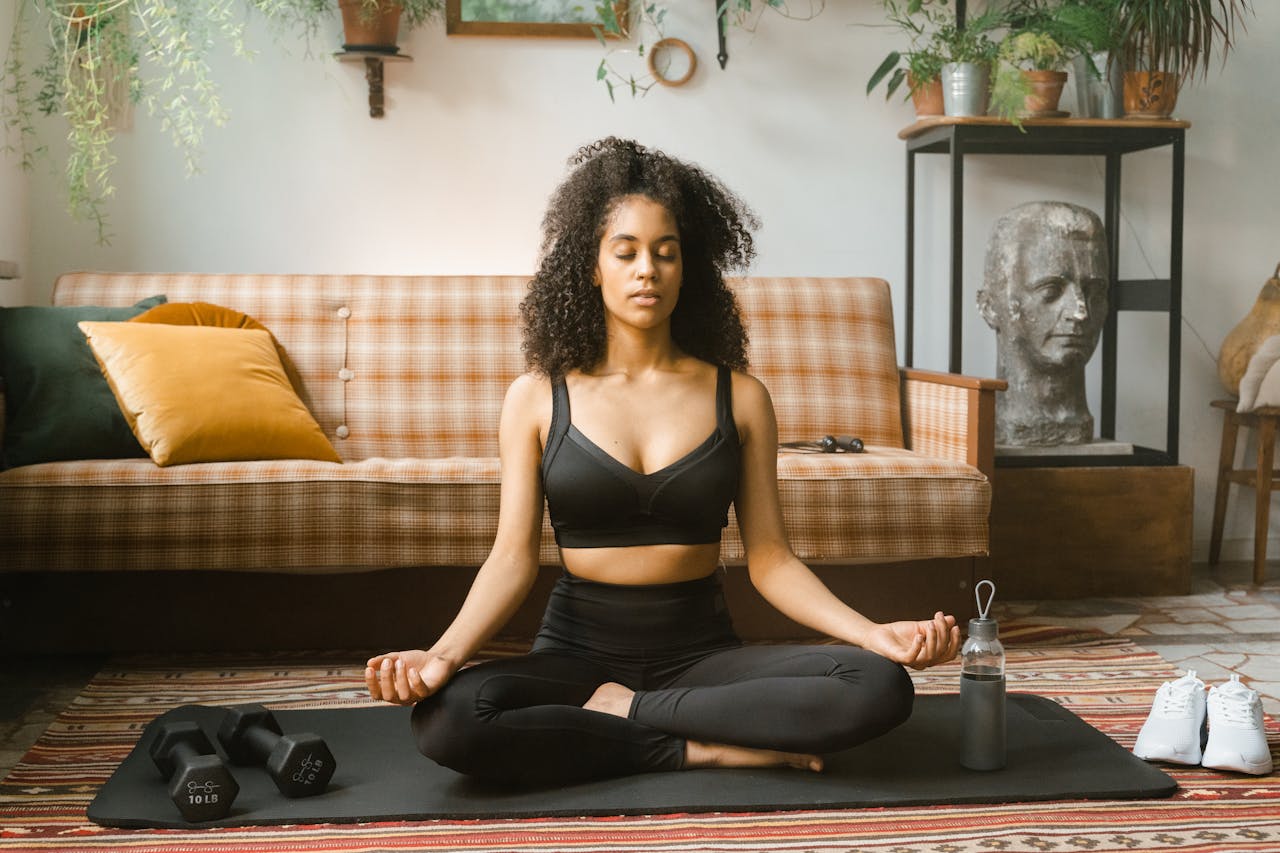
Why Rest Is Essential for Mental and Emotional Health
Rest plays a major role in how we think, feel, and respond to everyday challenges.
When people experience ongoing stress without enough recovery time, they may notice:
- Difficulty concentrating.
- Emotional exhaustion.
- Increased irritability.
- Trouble sleeping.
- Feeling overwhelmed.
Mindful rest provides an opportunity to pause and reset.
Regular relaxation practices can support:
- Better emotional regulation.
- Improved focus.
- Greater self-awareness.
- Reduced stress responses.
- Increased feelings of calm.
How Rest Meditation Works
The effectiveness of this practice comes from combining mindfulness with deep relaxation.
During a session, individuals typically bring awareness to their breathing, body sensations, and thoughts while allowing themselves to relax.
Instead of fighting stressful thoughts, the practice encourages observing them with acceptance.
A typical session may include:
- Finding a comfortable position.
- Taking slow, gentle breaths.
- Relaxing different areas of the body.
- Observing thoughts without judgment.
- Returning attention to the present moment.
Over time, these steps help train the mind to access calm more easily.
The Benefits of Practicing Rest Meditation
Consistent meditation practice can create meaningful improvements in daily life.
Reduces Stress and Mental Fatigue
One of the biggest benefits is creating space between yourself and stressful thoughts.
When the mind receives regular opportunities to slow down, it becomes easier to manage pressure and maintain emotional balance.
Supports Better Sleep
Many people struggle to relax before bedtime because their minds remain active.
A calming meditation routine can help prepare the body for rest by reducing racing thoughts and encouraging relaxation.
Helpful bedtime habits include:
- Practicing slow breathing.
- Reducing screen time before sleep.
- Creating a peaceful environment.
- Following a consistent relaxation routine.
Improves Emotional Awareness
Meditation creates opportunities to notice emotions without immediately reacting.
This awareness can help individuals better understand:
- What triggers stress.
- How emotions influence behavior.
- What they need to feel balanced.
Rest Meditation vs. Traditional Meditation Practices
While many meditation styles share similar foundations, different approaches have different purposes.
Traditional mindfulness meditation often focuses on awareness, concentration, or observation.
Rest-focused practices emphasize:
- Relaxation.
- Comfort.
- Recovery.
- Letting go of tension.
Both approaches are valuable, but rest-focused meditation may be especially helpful for individuals who feel mentally exhausted or physically overwhelmed.
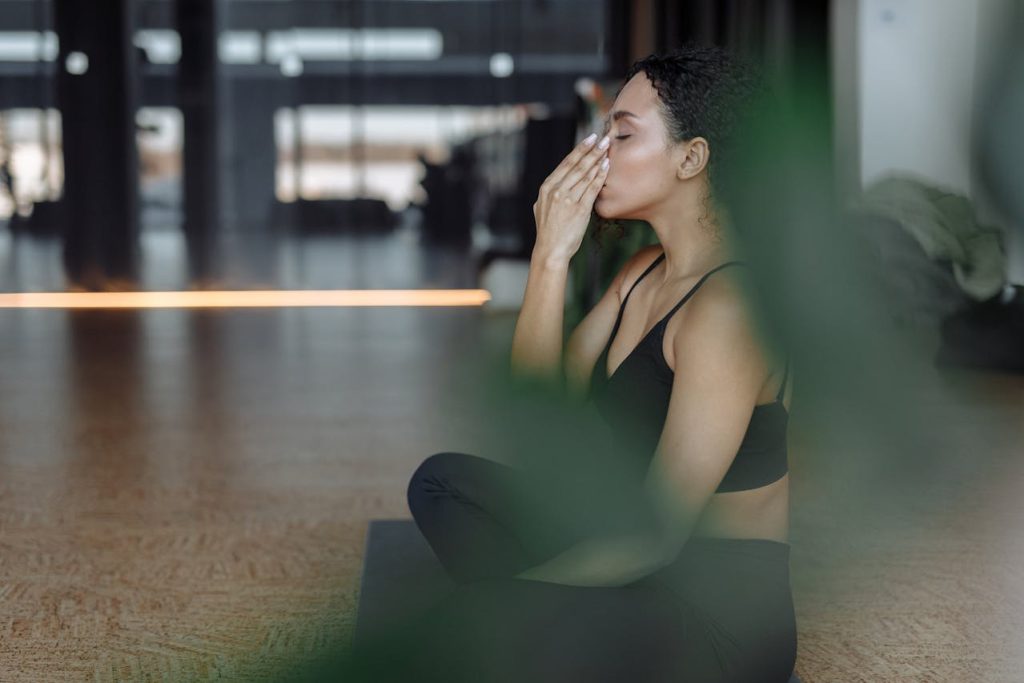
Simple Rest Meditation Techniques for Beginners
Starting a meditation practice does not require special equipment or extensive experience.
Beginners can begin with simple techniques.
Deep Breathing Practice
Breathing is one of the easiest ways to encourage relaxation.
Try this:
- Sit comfortably.
- Inhale slowly through your nose.
- Pause briefly.
- Exhale gently.
- Repeat for several minutes.
Focus on the sensation of breathing rather than trying to control every thought.
Body Relaxation Exercise
This technique helps release stored tension.
Move your attention through different areas of your body and consciously relax each one.
Notice:
- Tight shoulders.
- Facial tension.
- Muscle stiffness.
- Areas that need comfort.
Allow yourself to soften without judgment.
Guided Meditation
Many beginners find guided sessions helpful because they provide structure and support.
A guided meditation can include:
- Relaxation instructions.
- Breathing reminders.
- Positive affirmations.
- Visualization exercises.
At Mindfulness Meditation Hub, guided resources help individuals develop a consistent practice while learning techniques that encourage deeper relaxation.
Creating a Peaceful Environment for Meditation
Your surroundings can influence your ability to relax.
Consider creating a dedicated space that supports calmness.
Helpful elements include:
- Comfortable seating.
- Soft lighting.
- A quiet environment.
- Minimal distractions.
- A calming routine.
However, remember that meditation does not require a perfect location. The most important element is your willingness to pause and be present.
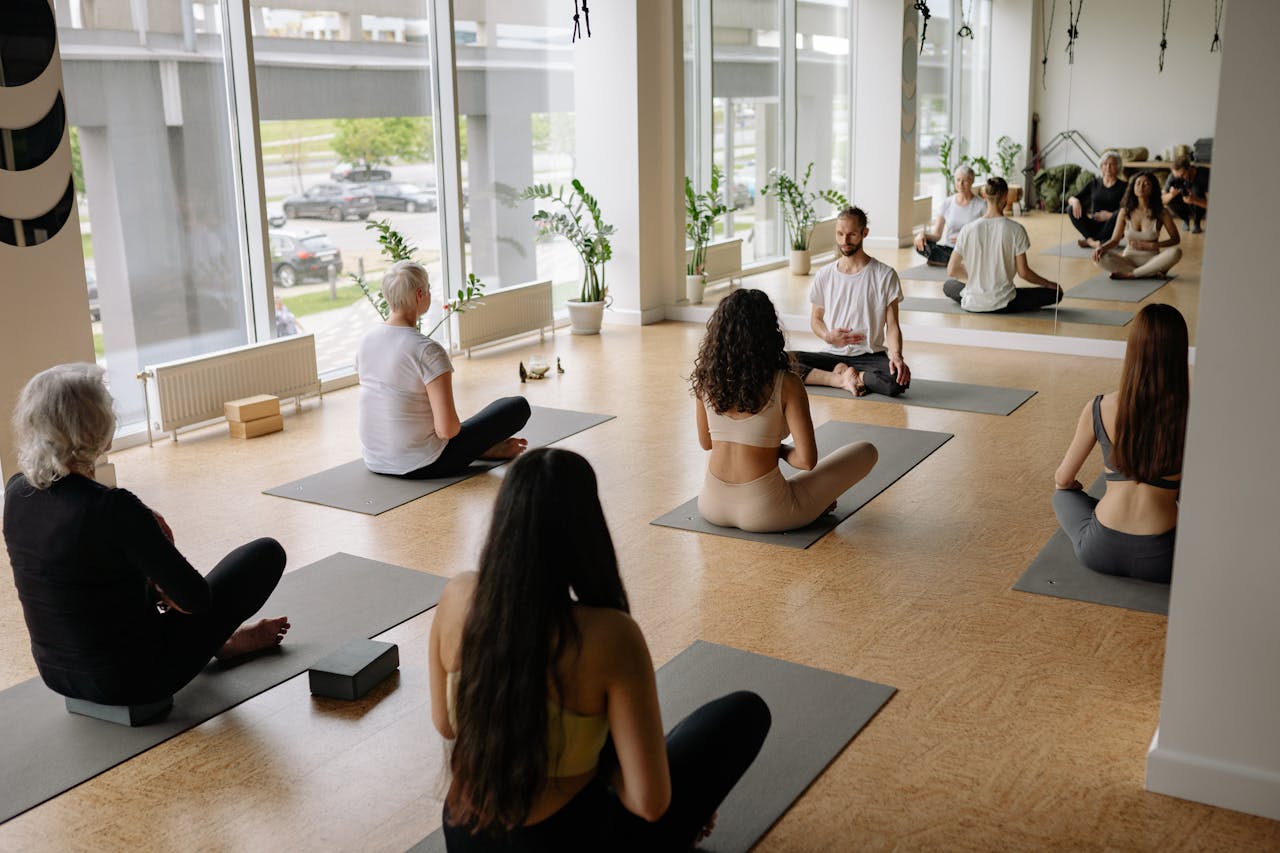
Advanced Techniques to Deepen Your Relaxation Practice
Once you become comfortable with basic meditation techniques, you can explore practices that create a deeper sense of calm and awareness. These approaches help you develop a stronger connection between your mind, body, and emotions.
Guided Visualization
Visualization uses the power of imagination to create feelings of safety and relaxation.
During a visualization practice, you may imagine:
- A peaceful natural environment.
- A calming place where you feel comfortable.
- Warm light moving through your body.
- A moment of complete relaxation.
This technique can help redirect attention away from stress and encourage a more peaceful mental state.
Body Scan Meditation
A body scan is a mindful practice where attention moves slowly through different areas of the body.
The goal is not to change anything but simply notice sensations with acceptance.
Benefits include:
- Increased body awareness.
- Reduced physical tension.
- Improved connection between mind and body.
- Greater ability to recognize stress signals.
Many people include body scans in their evening routines because they help transition from activity into a calmer state.
Mindful Breathing for Instant Calm
Breathing exercises can be used anytime throughout the day.
Whether you are preparing for an important meeting, dealing with stress, or trying to relax before sleep, mindful breathing provides a simple way to return attention to the present moment.
A few intentional breaths can help create a sense of stability during overwhelming situations.
Common Mistakes When Practicing Rest Meditation
Although meditation is simple, beginners often create unnecessary pressure for themselves.
Understanding common mistakes can make the practice more enjoyable.
Expecting Immediate Results
Some people believe meditation should instantly remove stress or create complete relaxation.
However, meditation is a skill that develops gradually.
Like any wellness habit, consistency creates deeper benefits over time.
Trying to Control Every Thought
Thoughts naturally appear during meditation.
The goal is not to eliminate thinking but to change your relationship with thoughts.
Instead of becoming frustrated, gently notice thoughts and return your attention to relaxation.
Practicing Only During Stressful Moments
While meditation can help during difficult situations, its greatest benefits often come from regular practice.
Creating a daily routine helps train the mind to access calm more naturally.
How to Include Rest Meditation in Your Daily Routine
A consistent routine makes mindfulness easier to maintain.
You do not need hours of practice. Even a few intentional minutes can create meaningful changes.
Consider these simple approaches:
- Practice for five minutes after waking up.
- Use meditation as part of your bedtime routine.
- Take short mindful breaks during work.
- Combine meditation with journaling.
- Practice after physical exercise.
The key is choosing a method that fits your lifestyle.
The Connection Between Rest Meditation and Self-Care
Self-care is often associated with external activities, but true wellness also requires caring for your inner world.
Rest meditation encourages individuals to prioritize mental recovery and emotional nourishment.
It reminds us that slowing down is not a weakness—it is a necessary part of maintaining balance.
By making space for rest, individuals can improve their ability to:
- Handle challenges.
- Communicate effectively.
- Stay emotionally grounded.
- Maintain healthy habits.
- Feel more connected to themselves.
Supporting Your Wellness Journey with Mindfulness Meditation Hub
At Mindfulness Meditation Hub, we understand that finding peace in a busy world can feel challenging. Our goal is to provide accessible mindfulness resources that help individuals create sustainable practices for relaxation and personal growth.
Through guided meditation content, educational resources, and practical mindfulness techniques, we support people who want to develop healthier relationships with stress, emotions, and everyday challenges.
Our resources help you:
- Learn effective relaxation techniques.
- Build consistent meditation habits.
- Improve self-awareness.
- Create moments of calm.
- Develop greater emotional resilience.
Whether you are new to meditation or looking to deepen your existing practice, our approach focuses on simple, practical methods that fit into real life.
Making Rest a Priority for Long-Term Well-Being
Modern life often rewards constant activity, but continuous productivity without recovery can lead to exhaustion. Creating intentional moments of stillness allows the mind and body to recharge.
Rest meditation offers a meaningful way to reconnect with yourself and create balance in your daily routine.
Through regular practice, you may discover that relaxation is not something you have to wait for—it is something you can cultivate.
Small moments of awareness can create significant changes over time. A few minutes of mindful rest can become a foundation for improved emotional health, greater clarity, and a more peaceful approach to life.
Begin Your Journey Toward Deeper Relaxation
Finding calm does not require changing your entire lifestyle. It begins with a simple decision to pause, breathe, and create space for yourself.
At Mindfulness Meditation Hub, we are committed to helping individuals explore mindfulness practices that encourage relaxation, awareness, and inner balance.
If you are ready to experience the benefits of deeper relaxation, explore our guided meditation resources and discover techniques that support your personal wellness journey.
A calmer mind begins with a single mindful moment. Start today and create the space you deserve for rest, renewal, and growth.
Related Topics
- Meditation Mindset: Transform Your Life from the Inside Out
- Meditation for Mental Health: Calm Mind, Strong Healing
- Guided Body Scan Meditation: Deep Relaxation for Mind & Body
- Meditation Facts That Will Transform Your Mind and Life
- Meditation for Stress Management: Find Calm in a Busy Life
- Meditation for Severe Anxiety: Find Lasting Calm & Relief
- Jon Kabat Zinn Meditation: Transform Stress Into Lasting Calm
- Loving Kindness Meditation Script for Deep Healing & Peace
- What Is Mindfulness Meditation? Unlock Calm, Focus & Joy
- Scripts for Meditation: Powerful Guides for Inner Peace